
Too often absent from environmental debates and unknown to the general public, wetlands are nonetheless essential, rich, and precious natural environments. In Luxembourg, these areas play a key role in maintaining biodiversity and provide numerous ecosystem services that are indispensable to society.
What is a wetland?
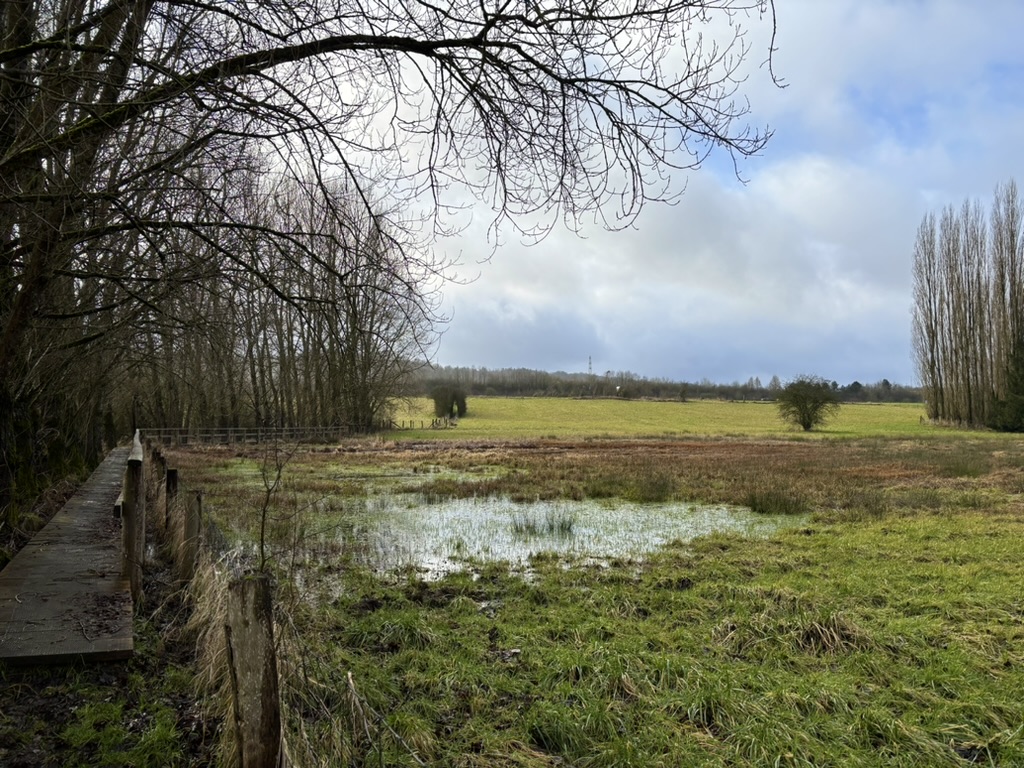
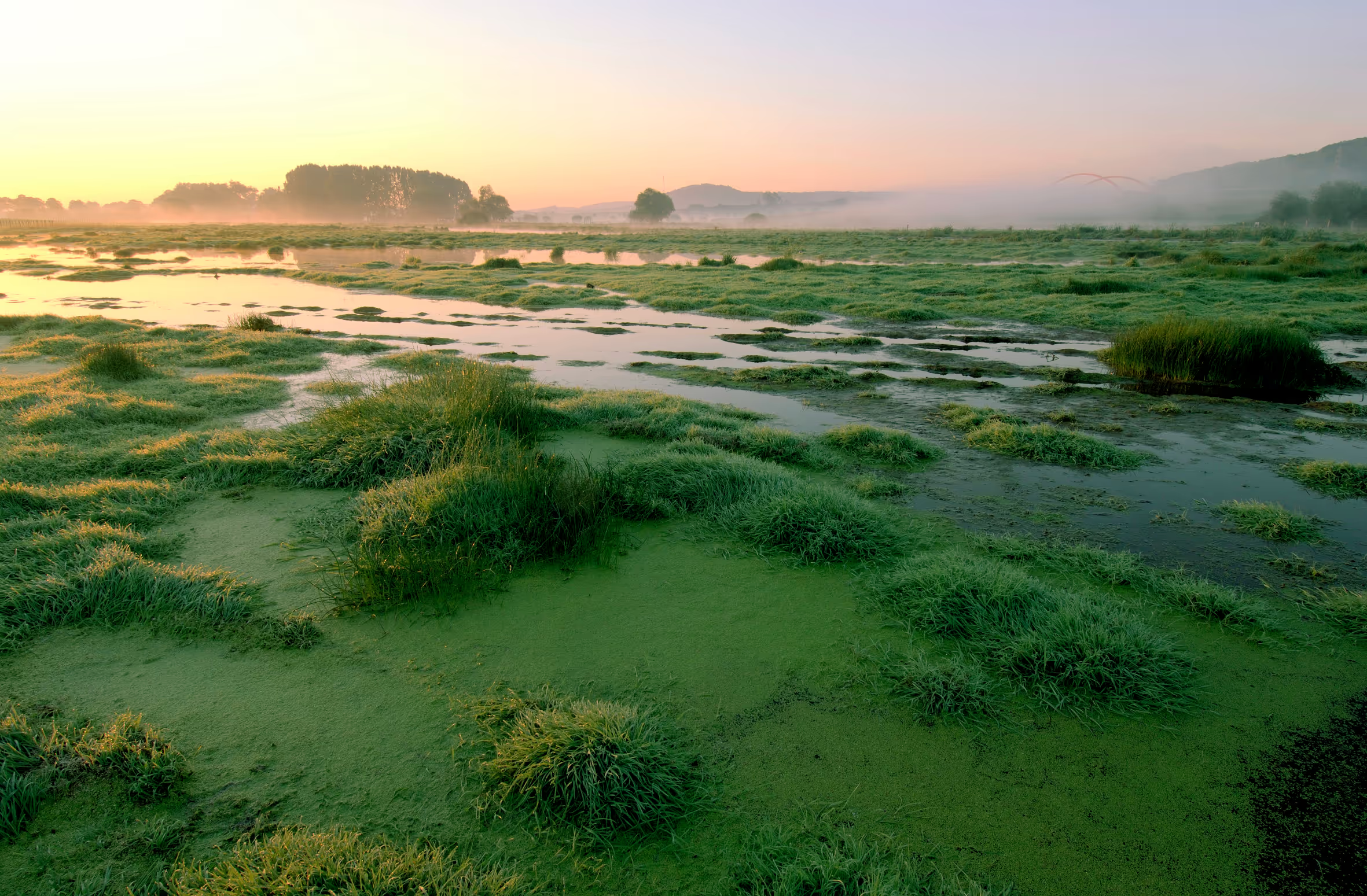
As the name suggests, a wetland is characterized by the presence of water, either on the surface or in the soil, permanently or temporarily. It is a transition zone between land and water. Peatlands, flooded meadows, marshes, alluvial forests, and fens—there are many different wetlands in Luxembourg. In 2025, the Fondation owns 610.45 hectares, including 260 bodies of water across the country.
Wetlands: A reservoir of biodiversity in Luxembourg
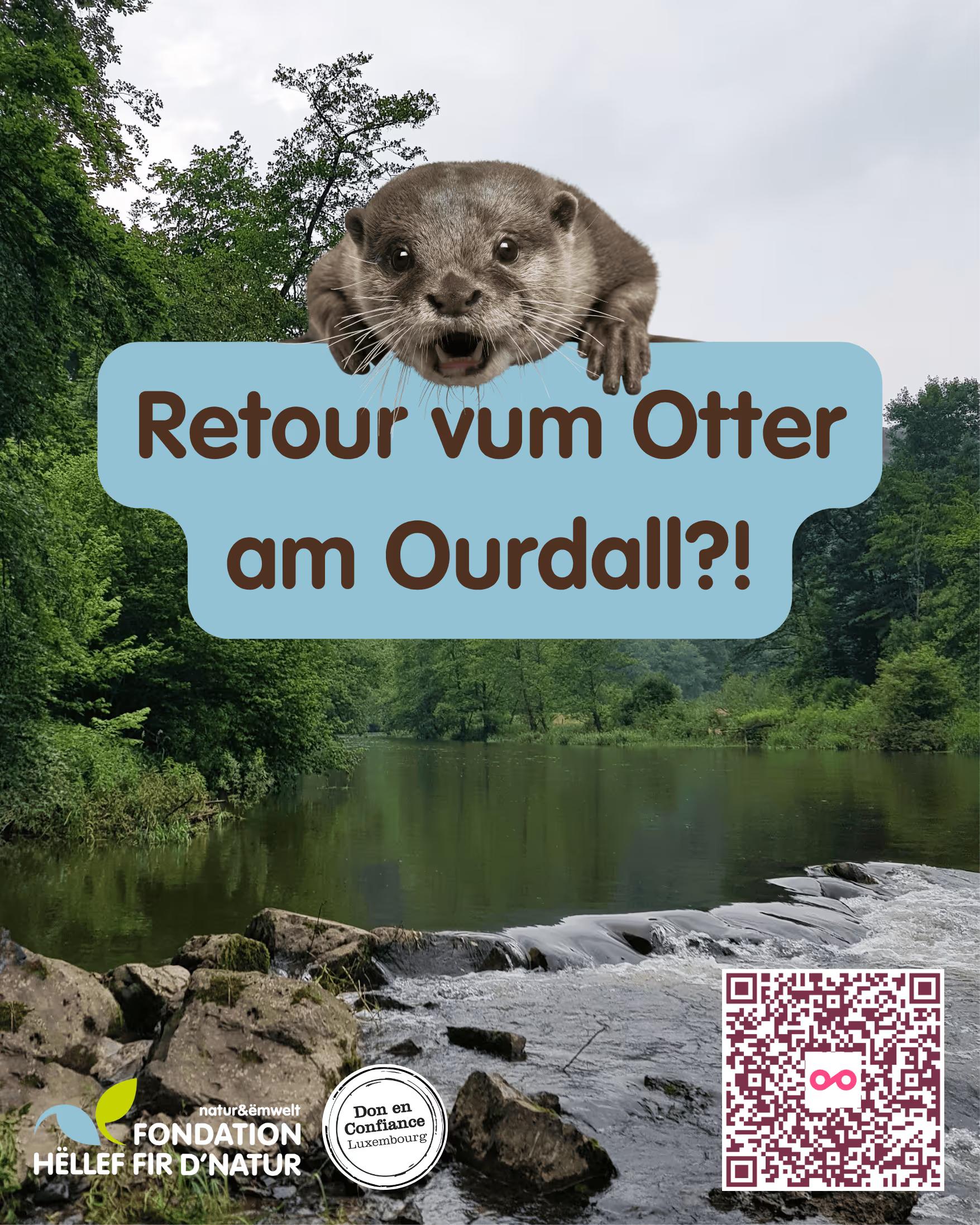
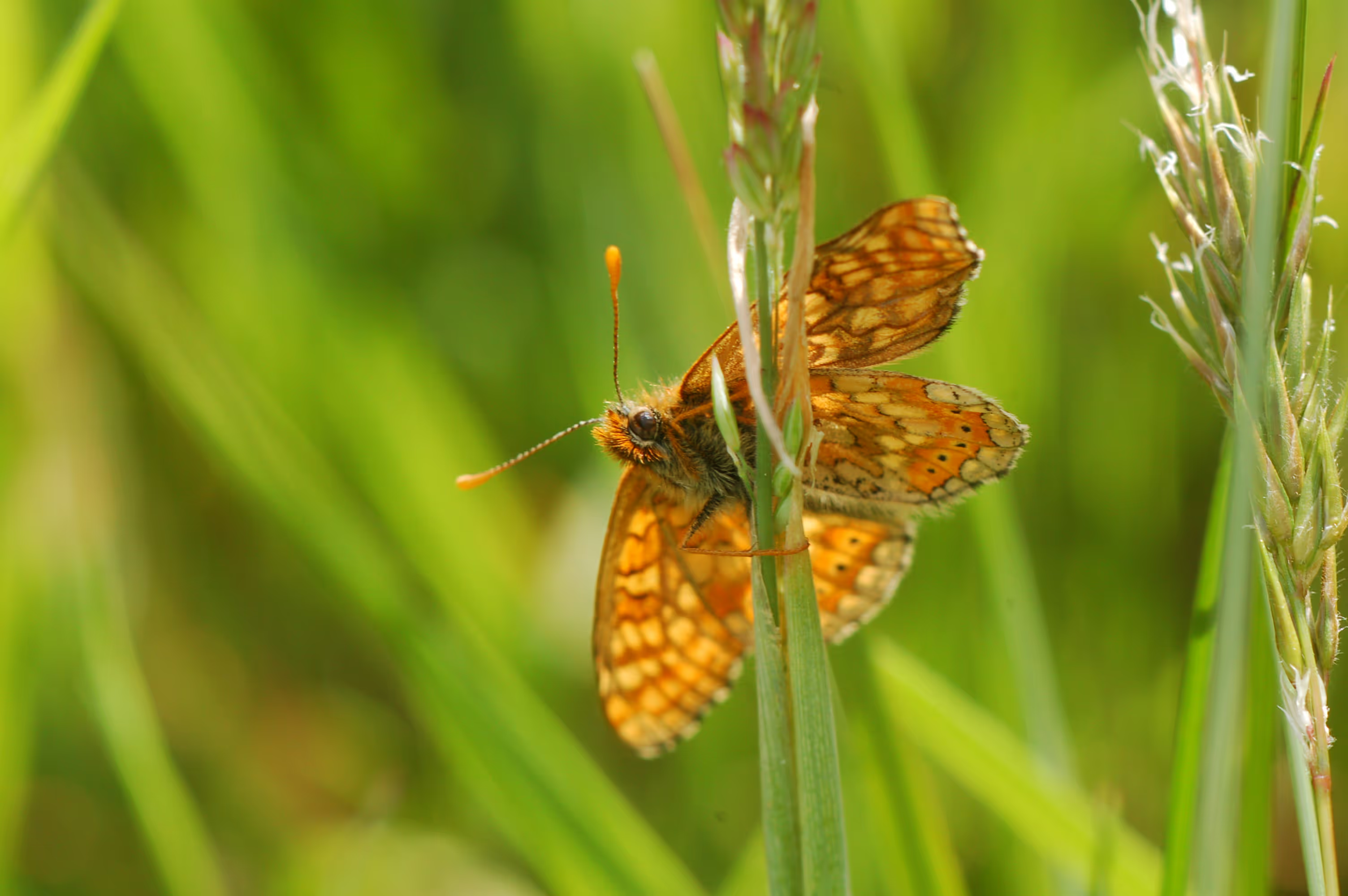
Luxembourg's wetlands, whether natural or artificial, stagnant or flowing, offer unique biotopes that host a remarkable diversity of fauna and flora. These environments serve as refuges, breeding grounds, and feeding areas, welcoming iconic species such as amphibians like the great crested newt (Triturus cristatus) or the European tree frog (Hyla arborea), migratory birds like the sedge warbler (Acrocephalus schoenobaenus) or the barn swallow (Hirundo rustica), insects such as the dragonfly—one in six species of which is threatened with extinction worldwide—mammals like the beaver (Castor fiber) or the otter (Lutra lutra), as well as numerous species that depend on aquatic ecosystems for their survival.
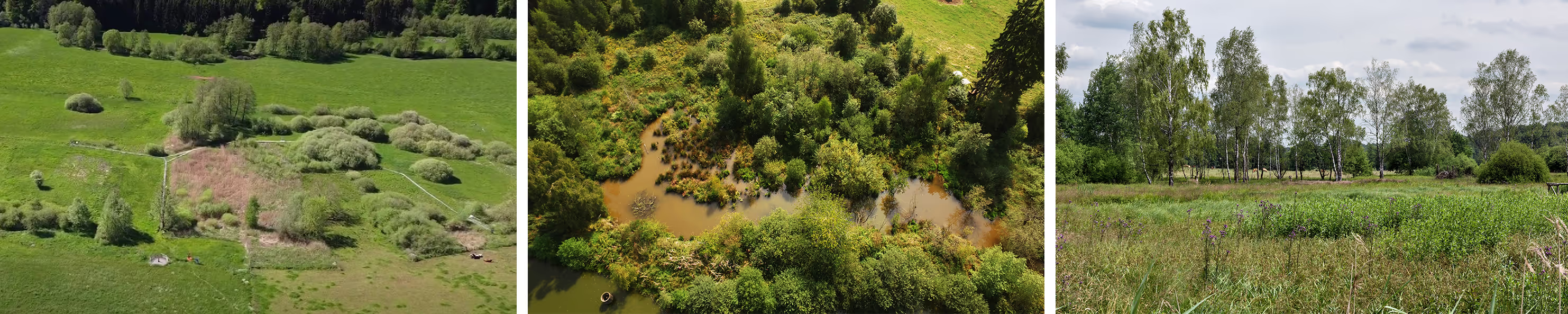
Sites such as Cornelysmillen in the Woltz floodplain, Lérensmillen and the wet meadows of the Trëtterbaach valley, the Schlammwiss and the ponds of Mensder Brill in the Syre floodplain, the floodplains of Dumontshaff along the Alzette and the Kiemelbaach, as well as the Grendel Marsh in the Attert valley, play an essential role in preserving this biodiversity, the protection of which is vital for maintaining the natural balance in Luxembourg.
Why protect Luxembourg's wetlands?
Wetlands act as true natural sponges, absorbing water during heavy rainfall and releasing it gradually during periods of drought. This unique capacity helps reduce flooding while strengthening resilience to climate change.
However, these areas are currently facing numerous threats:
· Rapid urbanization leads to the destruction of precious habitats.
· Agricultural intensification alters soils and watercourses, while land drainage accelerates their degradation.
· Climate change exacerbates these problems by disrupting water cycles and further weakening ecosystems.
· The introduction of invasive species disrupts the ecological balance and endangers native flora and fauna.
Faced with these challenges, the Fondation Hëllef fir d'Natur plays a central role. It integrates wetlands into its management strategy and carries out concrete actions for their restoration and preservation. Safeguarding wetlands requires collective mobilization. Restoring degraded sites, strengthening protection policies, and multiplying local initiatives are essential steps to reverse their decline. Protecting these ecosystems means not only preserving a precious natural heritage, but also guaranteeing vital services for the environment and for future generations.
The Grendel Marsh
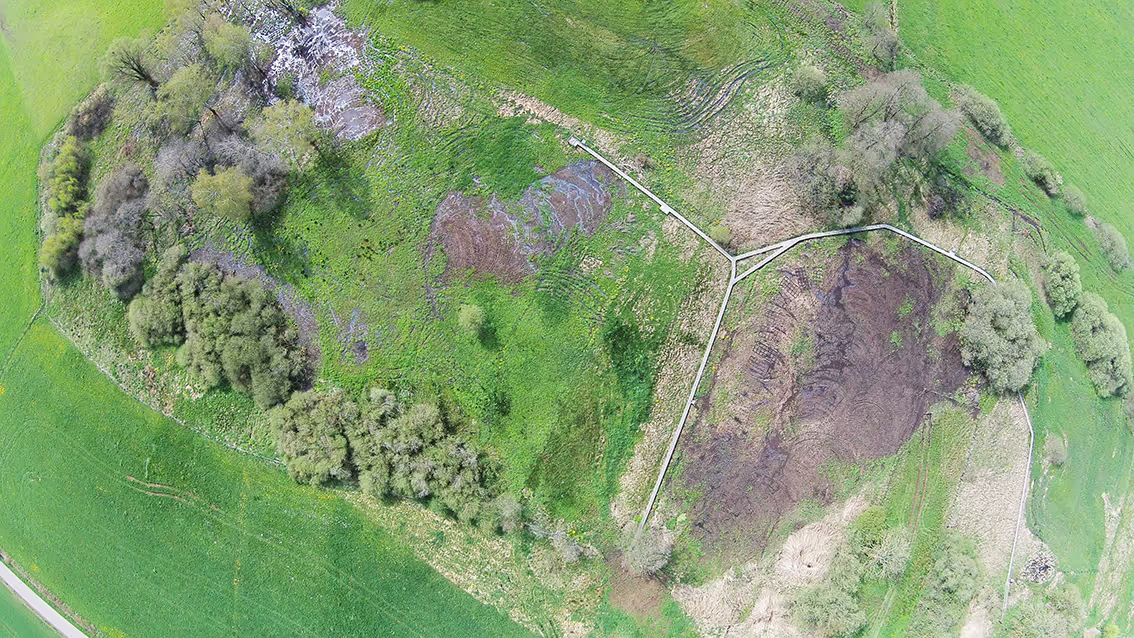
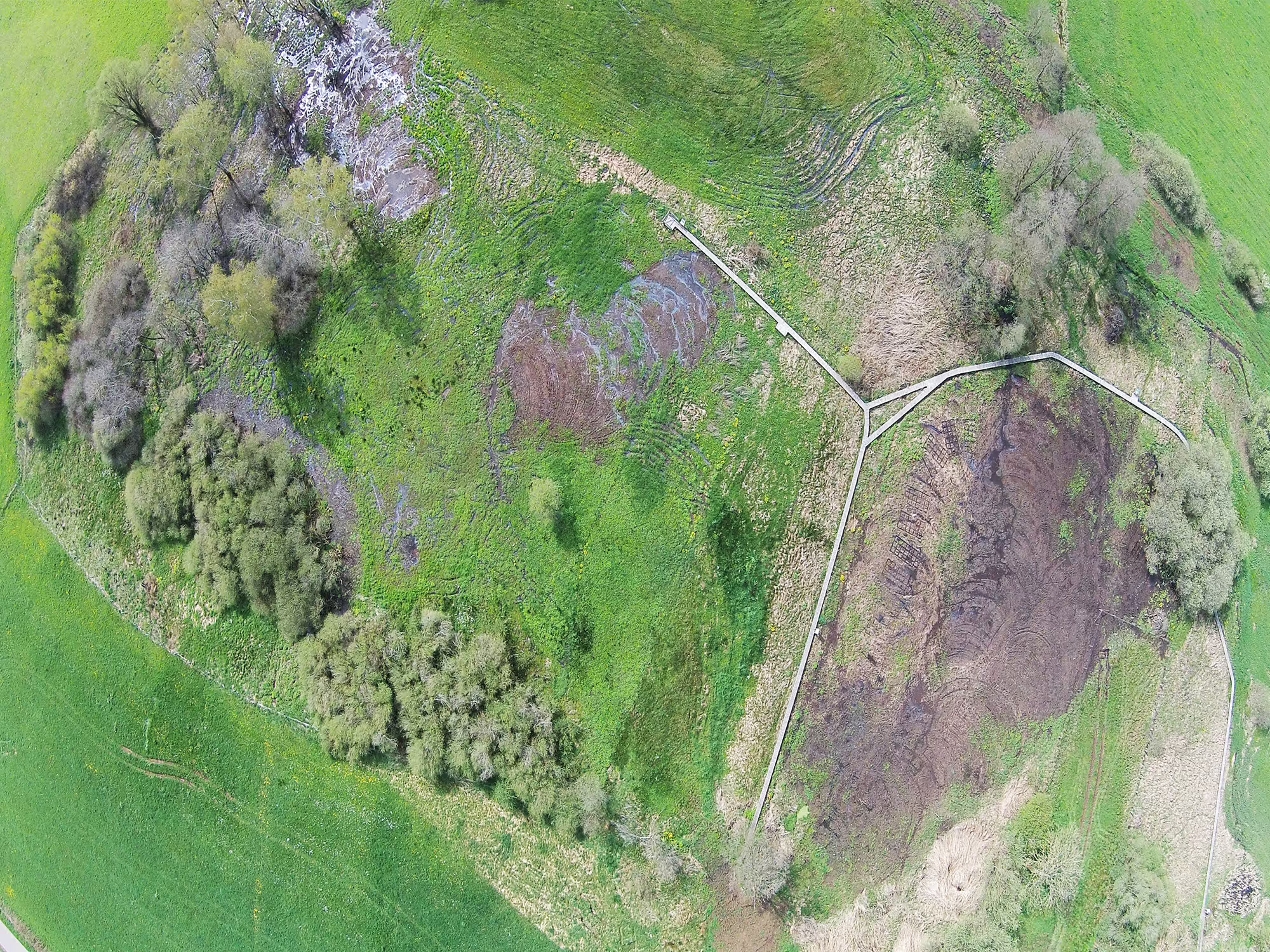
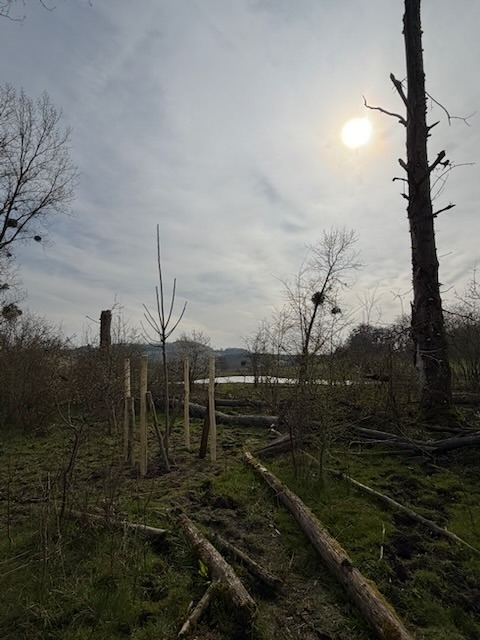
In the Attert valley, isolated within a modern rural landscape, the "Marais de Grendel" nature reserve spans an area of 4.37 ha. It is part of the European NATURA 2000 network of protected areas and consists of a mosaic of wet and extensive habitats with spring areas. Straddling the Belgian-Luxembourg border, it symbolizes successful cross-border cooperation through the joint management of an exceptional site.
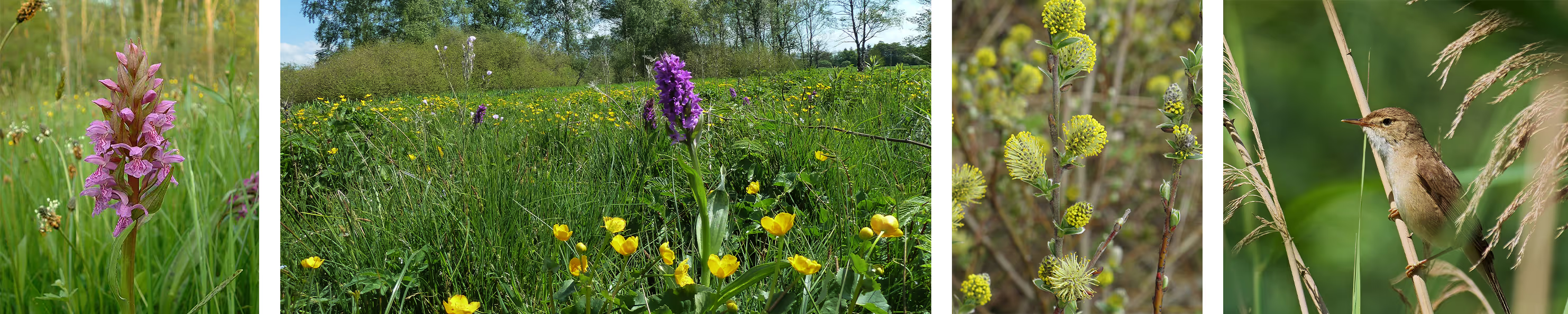
In its center, the site consists of two fen areas featuring beautiful groupings of common cottongrass (Eriophorum angustifolium), marsh cinquefoil (Comarum palustre), and marsh violet (Viola palustris). The most remarkable biotope is the remnant of alkaline purple moor-grass meadow, an extremely threatened habitat containing numerous rare and endangered plant species, including carnation sedge (Carex panicea), creeping willow (Salix repens), and marsh orchid (Dactylorhiza majalis). The eastern part consists of a wooded area made up of birch, alder, and willow, and is home to bogbean (Menyanthes trifoliata) and greater tussock sedge (Carex paniculata). The reserve hosts interesting birdlife, both in terms of migratory species and breeding species, such as the marsh warbler (Acrocephalus palustris).
Two of the 287 cast-iron border stones placed along the Belgian-Luxembourg border, namely numbers 135 and 136, are located within the reserve. Inside the marsh, right in the middle of the reed bed, one of the intermediate limestone boundary stones, "LB135a", still exists in its original form.
A primary management objective is the expansion of this area and the implementation of targeted maintenance measures, notably through regular mowing of the wet meadow vegetation. Furthermore, the preservation of historical and natural heritage is a central concern.
Let's bring the Grendel marsh back to life!
The reserve also serves as a place for education and discovery. It is equipped with an information board, an observation platform for viewing the border stones, and a discovery trail. However, this trail needs to be renovated due to wear and tear caused by time and visitors.
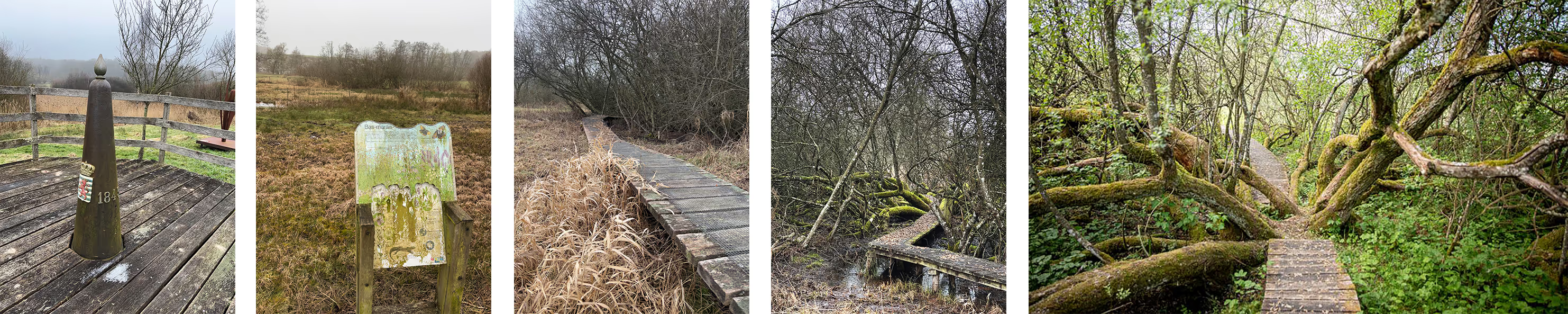
With a donation of €25, €50, or €100, you directly contribute to the reconstruction of boardwalks, observation trails, and the facilities needed to protect biodiversity and give everyone the opportunity to discover this unique habitat.
Let's act together to preserve this exceptional natural heritage. To make a donation or find out more:
Visit the Fondation Hëllef fir d'Natur website: www.hellefnatur.lu or make a bank transfer or standing order
IBAN: LU89 1111 0789 9941 0000 (Ref: Grendel).
Every donation is tax-deductible. Feel free to contact us directly by phone at 29 04 04 338.
.jpeg)
.jpeg)