

Project in Mahitsy–Ambohimanjaka, Madagascar
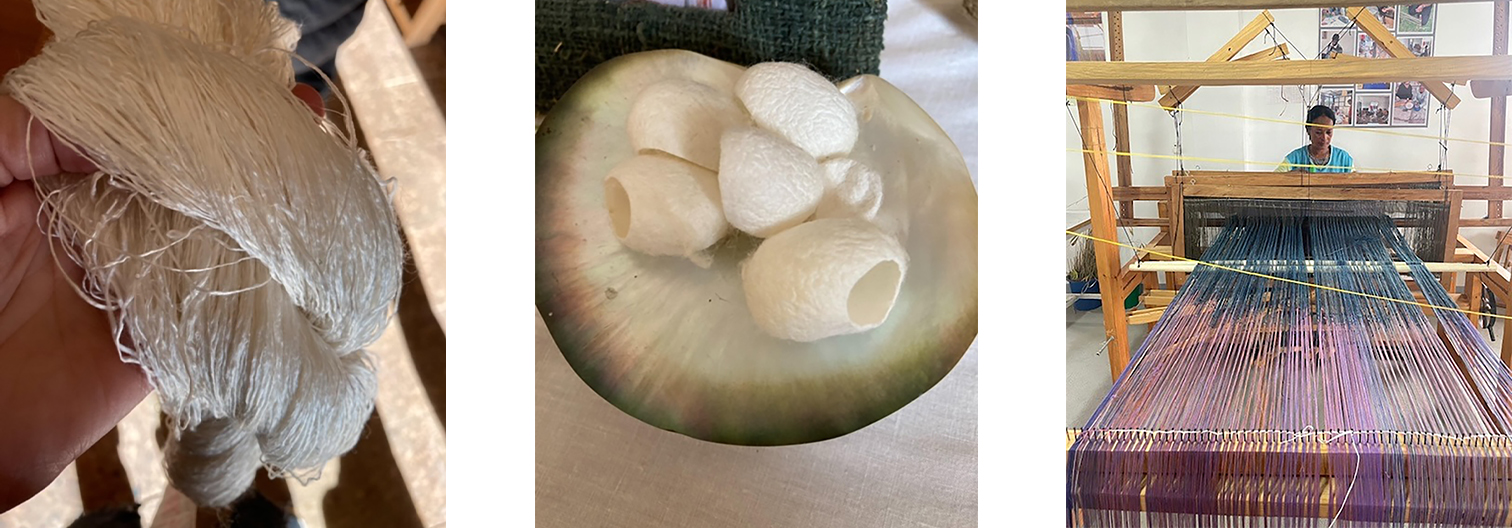
In the rural commune of Mahitsy–Ambohimanjaka, located about sixty kilometers from Antananarivo, local communities possess ancestral expertise in wild silkworm farming. This traditional activity, which carries cultural identity and income, is currently under threat due to the scarcity of mulberry plants, which are essential for feeding the silkworms.
At the same time, the region is experiencing severe environmental degradation, marked by soil erosion, the disappearance of vegetation cover, and the weakening of emblematic ecosystems such as the Andringitra massif and the sacred Lake Mamiomby.

Faced with these challenges, Graine de Vie Madagascar, in collaboration with local stakeholders, is proposing an integrated project aimed at sustainably supporting the wild silk sector while contributing to the gradual restoration of landscapes. This project places communities at the heart of action, combining local economic development, the preservation of natural resources, and resilience to climate change.


The project plans to establish community mulberry tree nurseries to supply ten wild silk farmer associations located in the Mahitsy–Andringitra area. The beneficiaries, who are already experienced in silkworm farming, have expressed strong motivation to engage in the production and maintenance of plants, an essential condition for the sustainability of their activity.
Mulberry cultivation will help secure food for the silkworms, improve the quality and regularity of production, and thus boost household income. Beyond the economic impact, planting mulberry trees also contributes to restoring vegetation cover, stabilizing soils, and combating erosion in the context of growing climate pressure.
A field feasibility study also examined the possibilities for ecological restoration of the Andringitra massif and the degraded areas around Lake Mamiomby. While these sites hold major ecological interest and strong symbolic value for the communities, the study highlights significant short-term technical and environmental constraints. In this context, the project favors a progressive and realistic approach, focusing initial actions on the wild silk sector while laying the groundwork for future ecological restoration.
By supporting this project, partners contribute to a concrete and measurable initiative that strengthens the autonomy of rural communities, enhances a unique local heritage, and participates in the sustainable protection of Malagasy ecosystems.
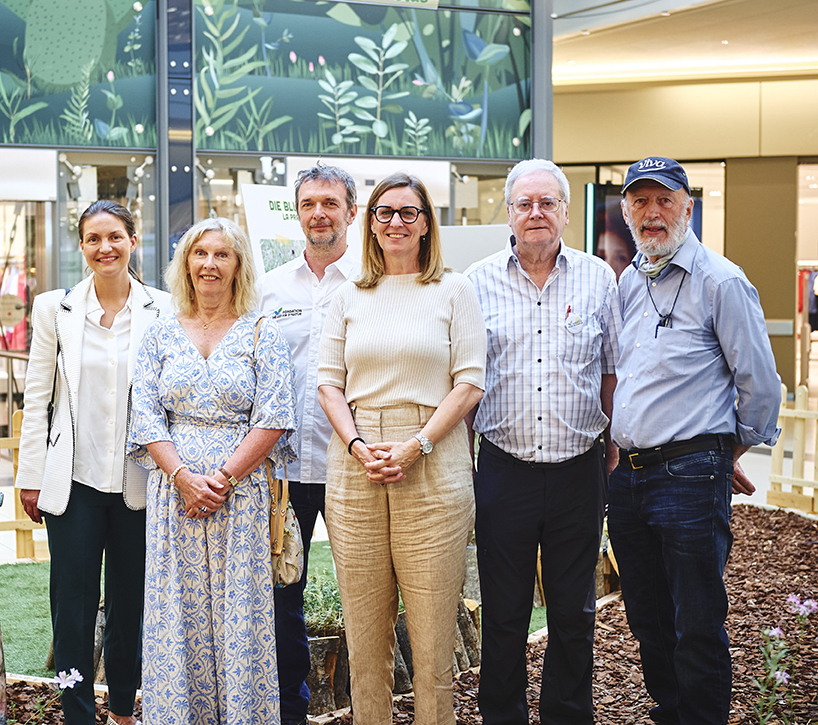
The Fondation Hëllef fir d'Natur invites citizens and companies wishing to contribute to this reforestation and economic support effort in Madagascar to make a donation. Every contribution collected will be fully allocated to funding the nurseries and field actions carried out by Graine de Vie.


.jpeg)
.jpeg)