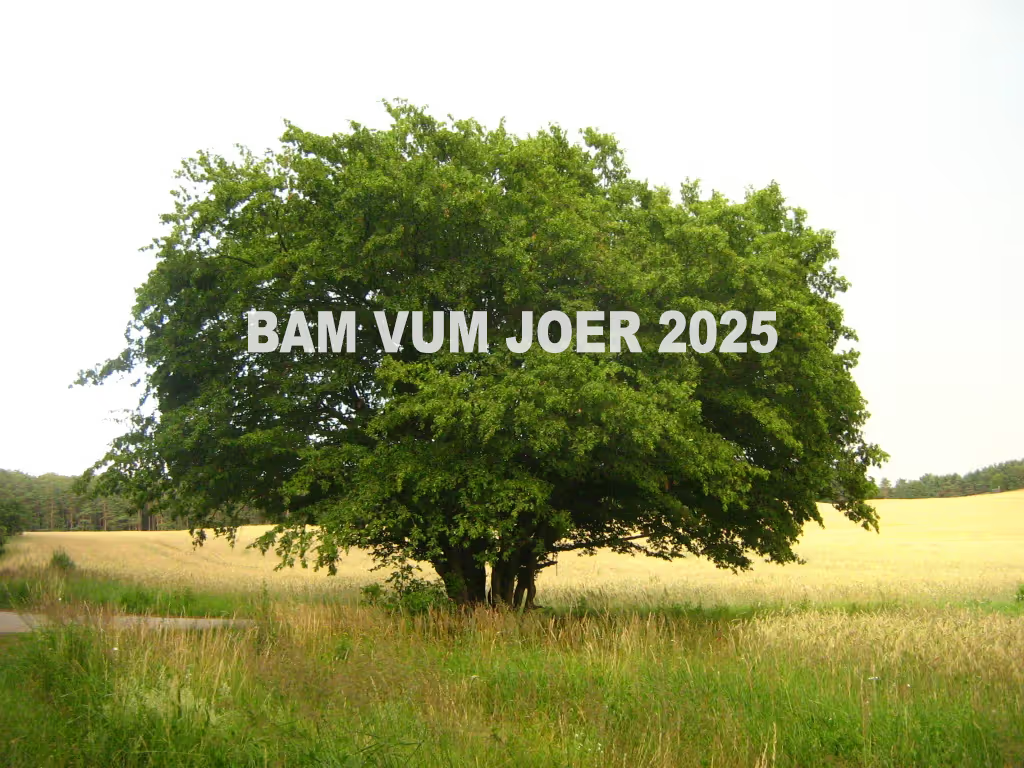

Discover all the information about the 2026 Tree of the Year here: the common aspen!
Description and characteristics
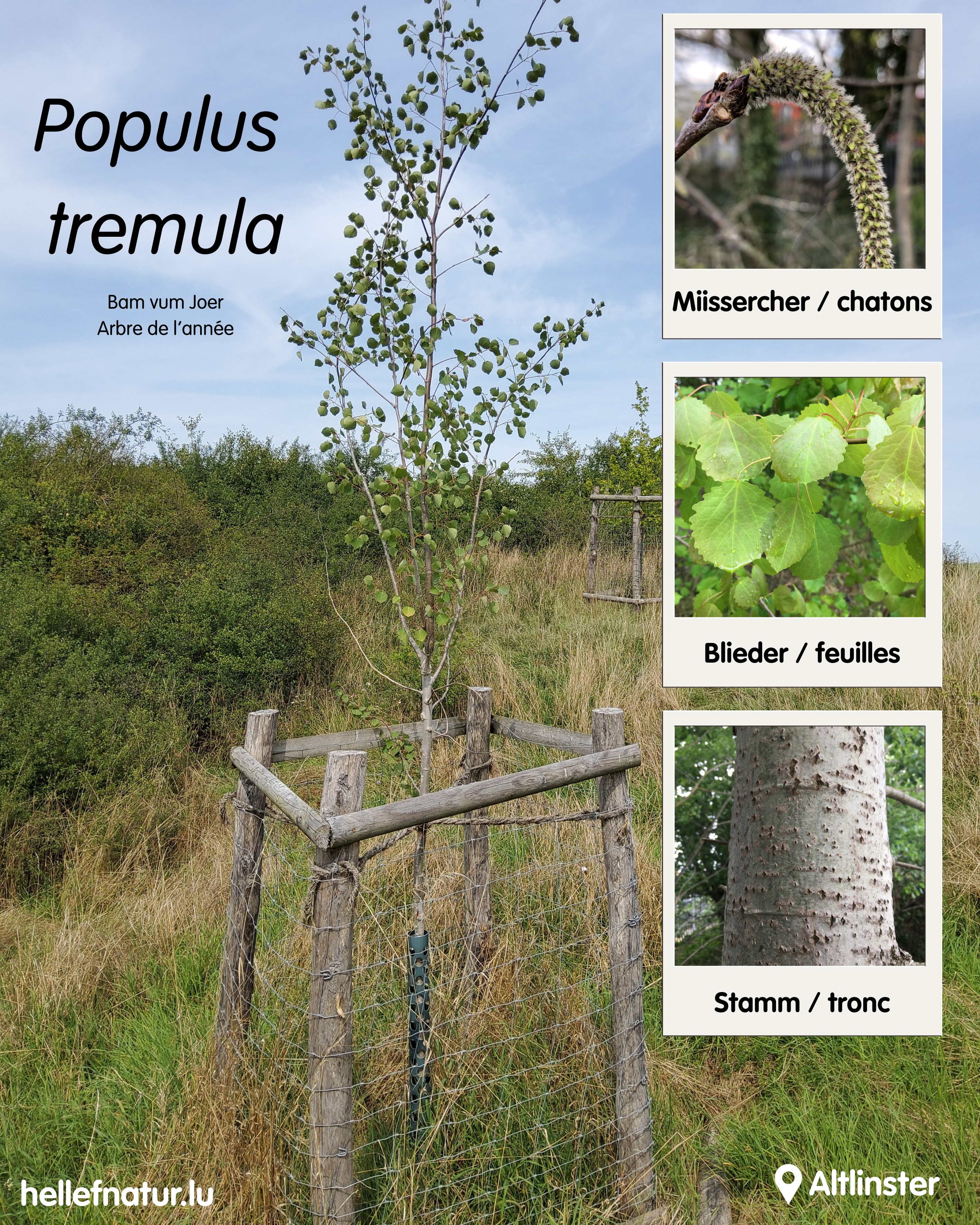
The common aspen (Populus tremula), also known as the Eurasian aspen, is a deciduous tree belonging to the willow family (Salicaceae). It typically reaches a height of 15 to 25 meters and has a slender, often translucent crown. The common aspen can live up to 100 years and reach a trunk diameter of 1 meter. Its rounded to heart-shaped leaves, featuring a long petiole flattened at the sides, are particularly remarkable. They begin to tremble at the slightest breeze, which gave the tree its name. The bark is smooth and greenish-gray when young, later darkening and developing fine fissures. In spring, discreet catkin-shaped flowers appear even before the foliage buds.
Distribution and adaptability
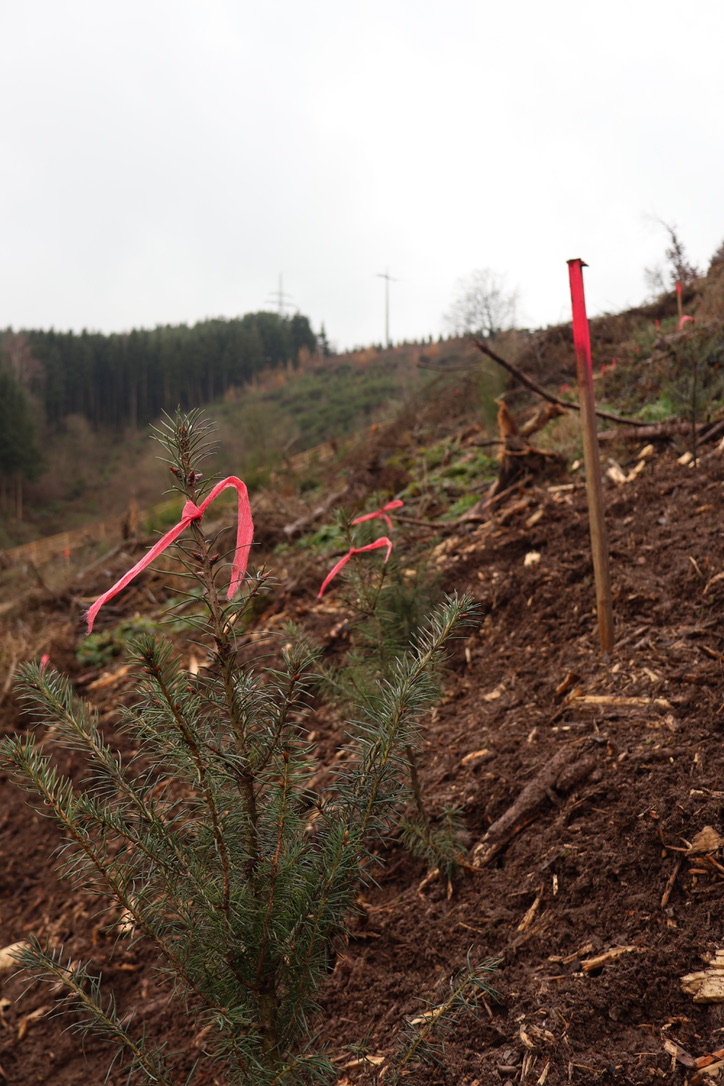
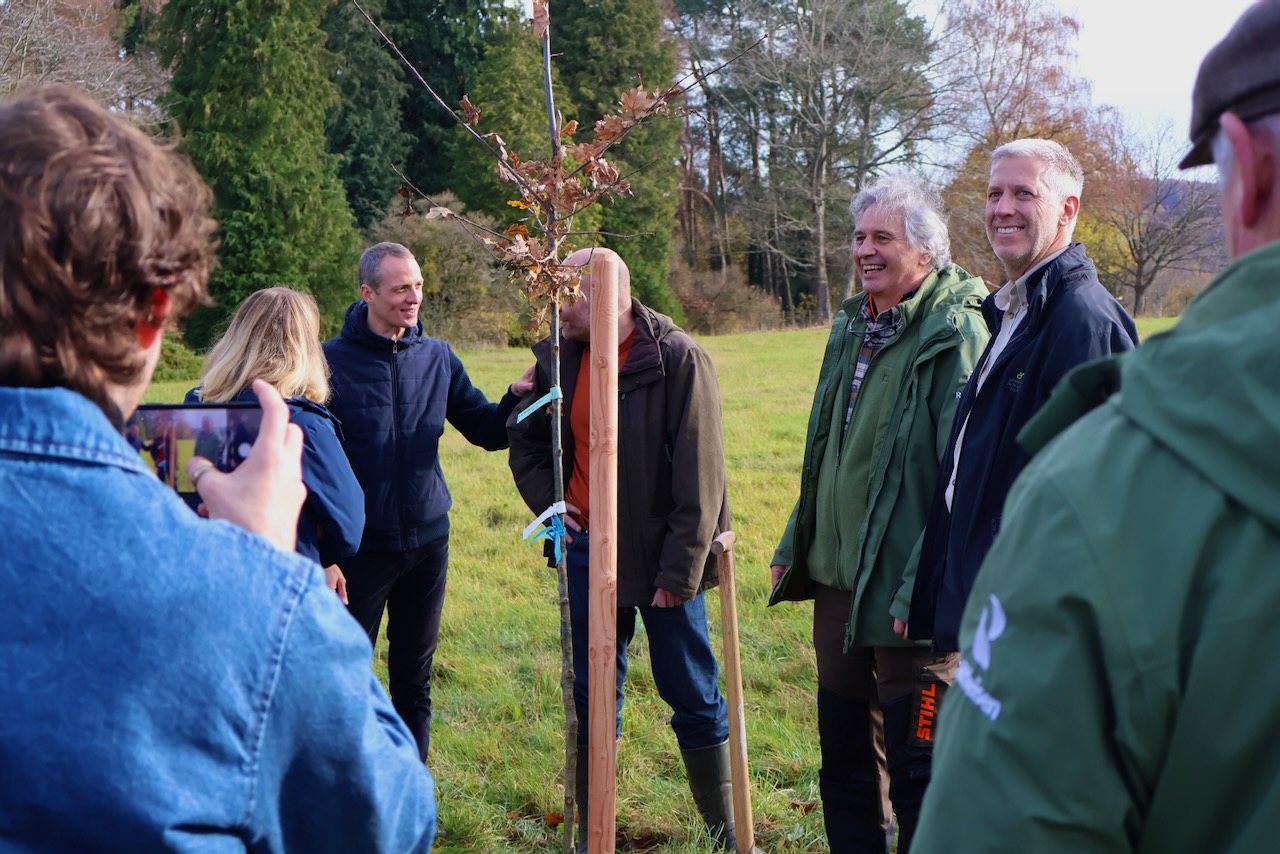
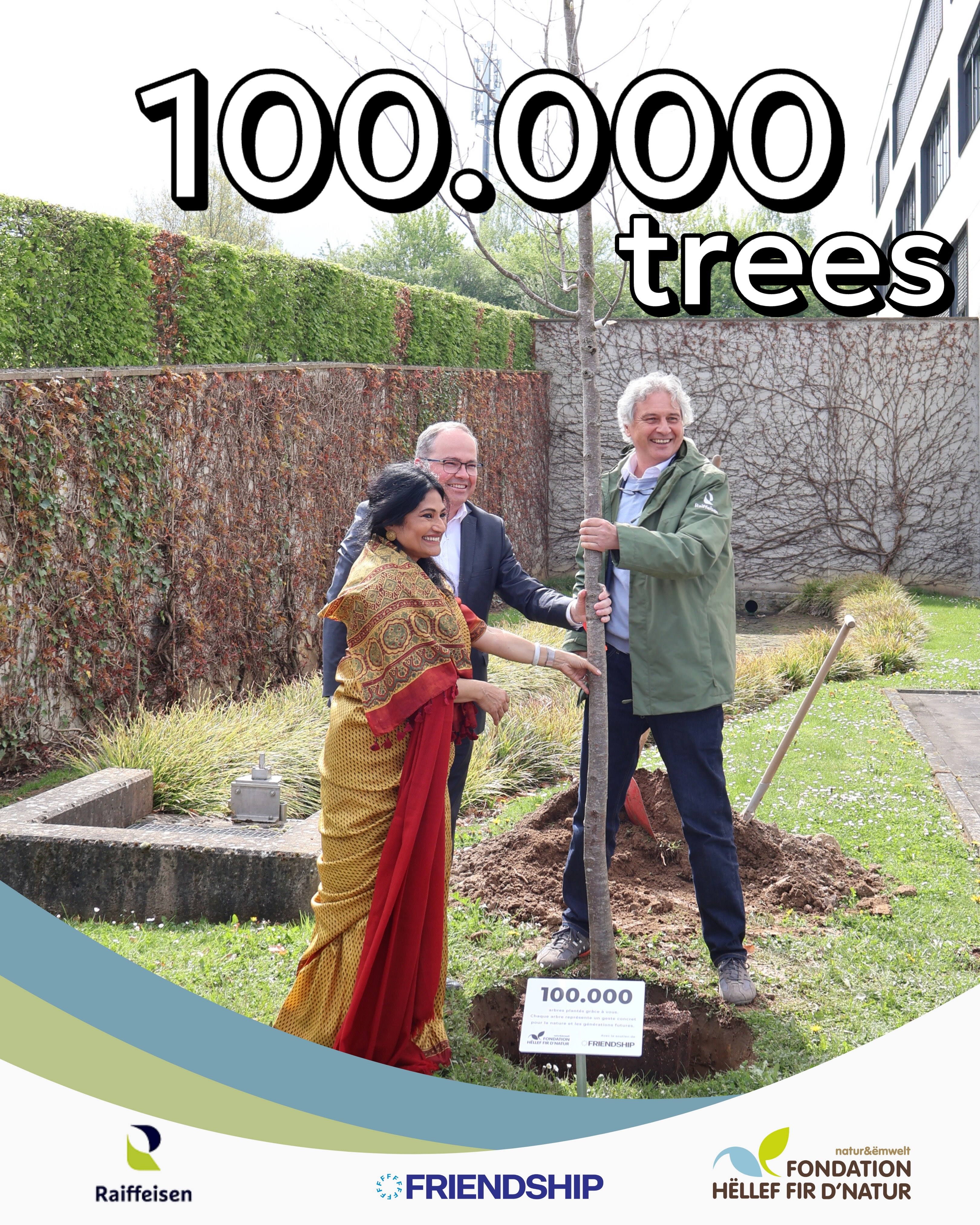
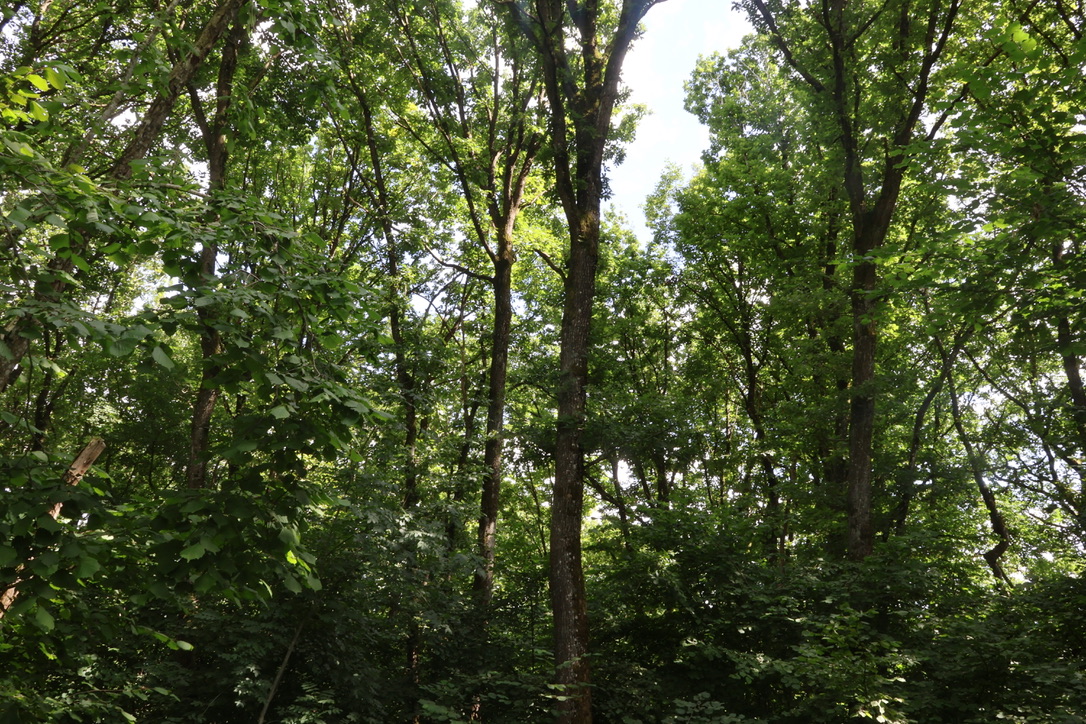
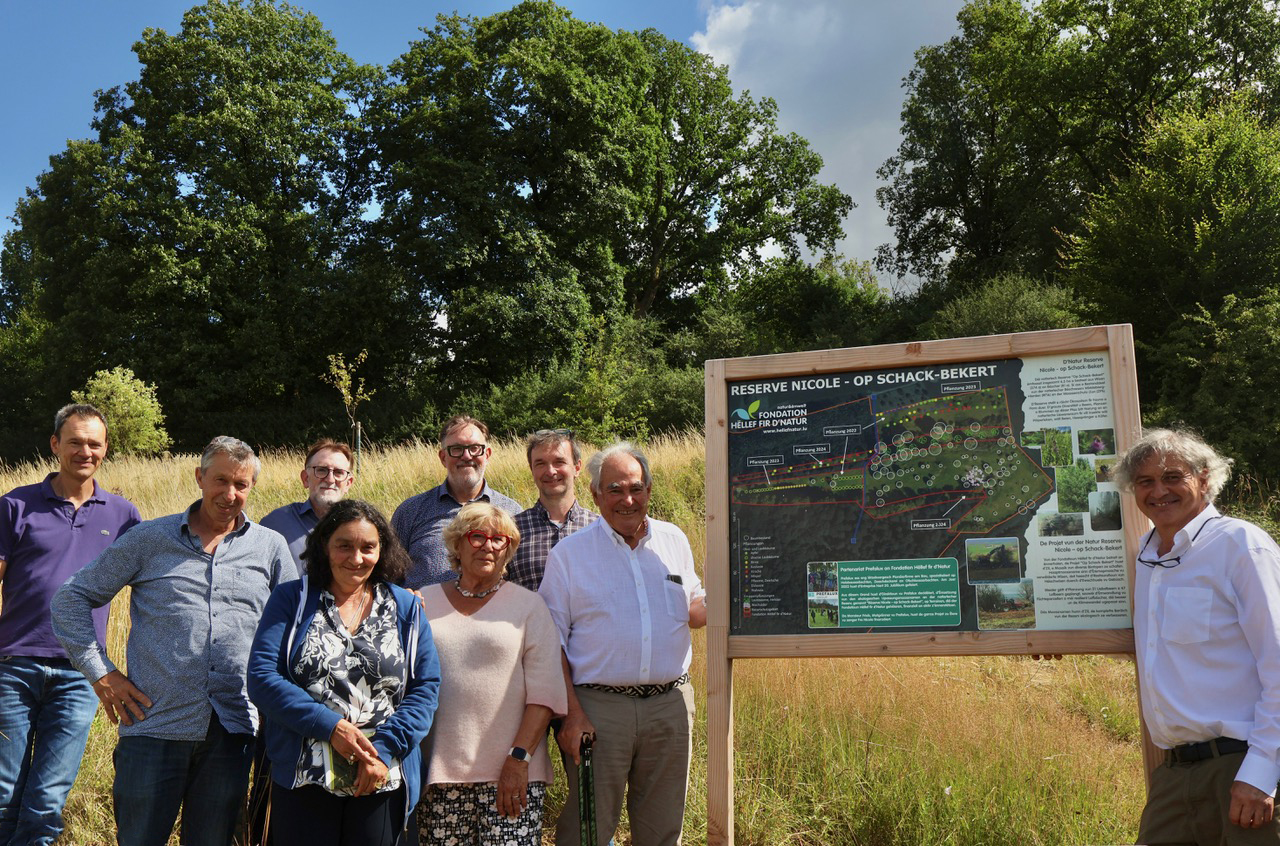
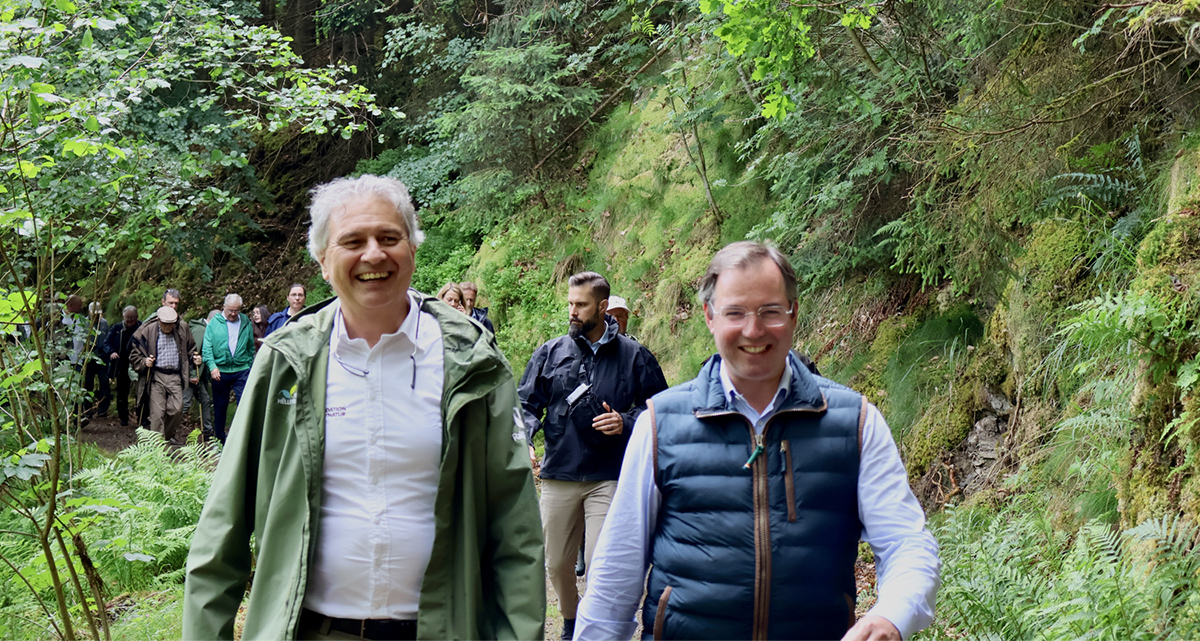
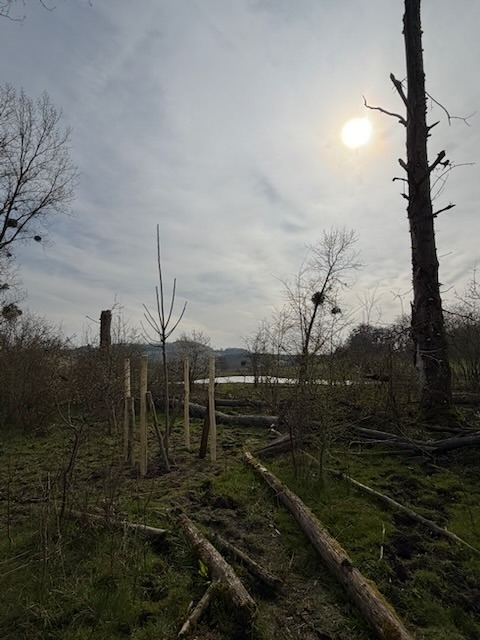
The aspen is widespread across much of Europe as well as North and Central Asia. It grows in both plains and high altitudes and demonstrates a remarkable capacity for adaptation. As a typical pioneer species, it quickly colonizes open spaces such as clear-cuts, burnt areas, or embankments. It is undemanding regarding soil and grows just as well on nutrient-poor sites as on cool, well-aerated sites. Thanks to its extensive root system and its ability to reproduce through root suckers and stump sprouts, it can spread efficiently and contribute to soil stabilization. This is also the reason why the Fondation Hëllef fir d'Natur plants this tree as part of its reforestation work. In 2024, it planted 275 aspens, followed by 625 in 2025, and this year even more aspens will be planted in our mixed deciduous forests.
Use and landscape importance
The common aspen has a rather secondary economic importance, but it is used in a variety of ways. Its light, soft wood is suitable for making chipboard, paper, sauna construction, or flooring. The salicylic acid compounds found in the leaves and bark are said to have analgesic, anti-inflammatory, and antipyretic properties. In landscaping, it is appreciated for its rapid growth and delicate appearance, particularly in natural parks, at forest edges, or in reforestation projects. It also plays an important role in revegetating degraded areas and contributes to landscape diversity.
An essential tree for biodiversity
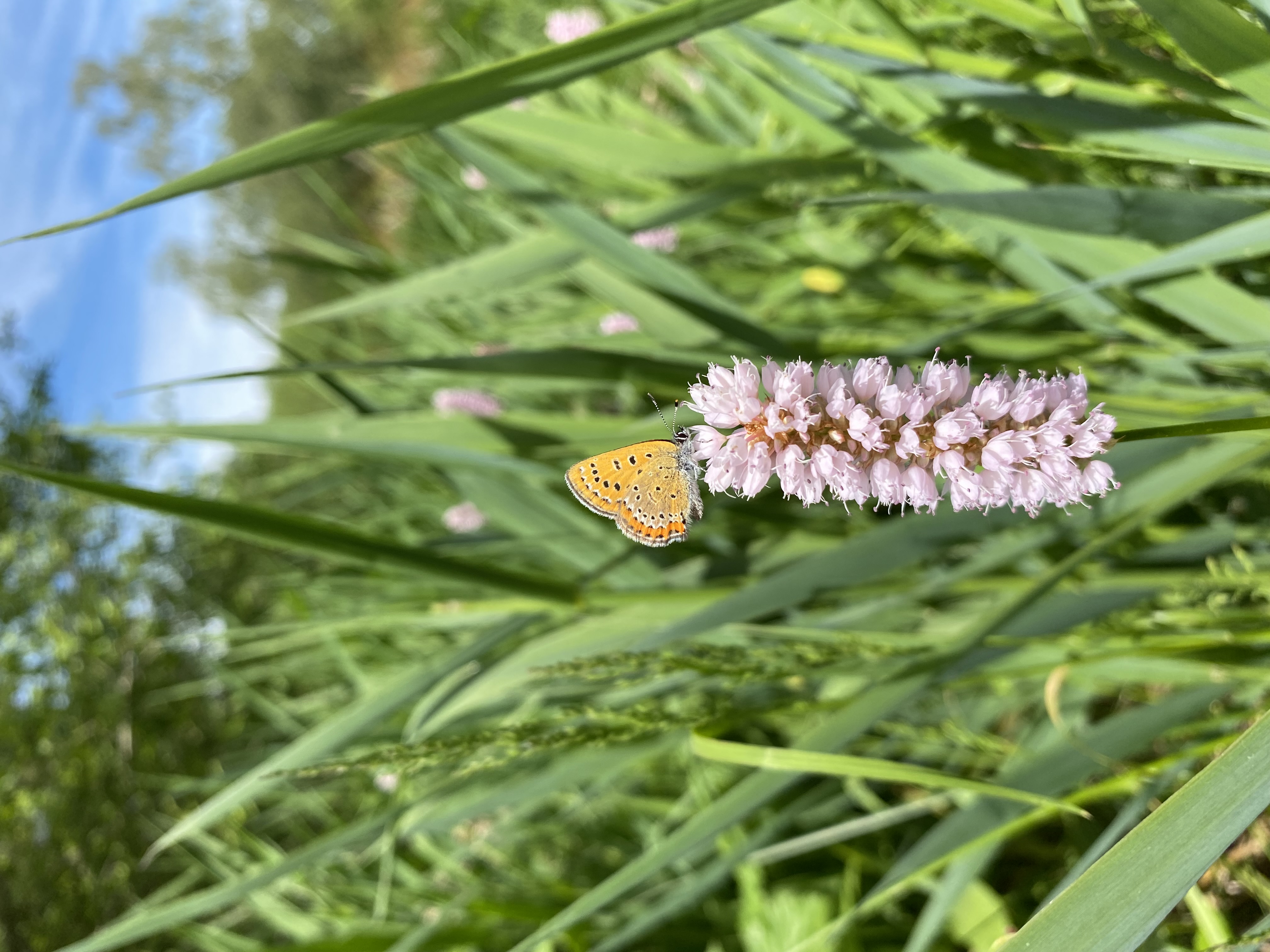
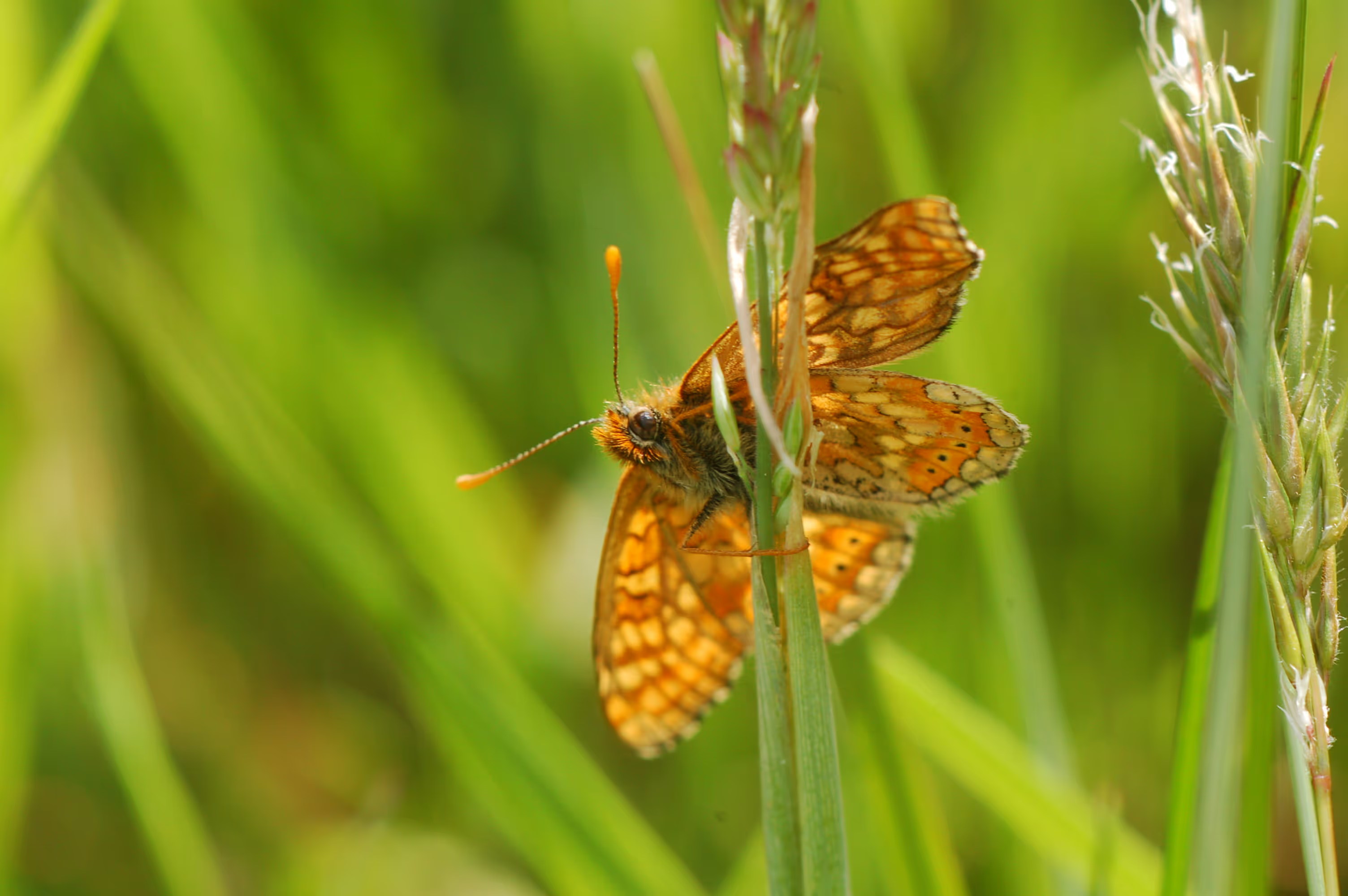
The aspen holds great importance for biodiversity. It is one of the main food plants for native butterflies, as well as numerous species of insects, beetles, and wild bees. Many bird species also use it as a nesting and feeding tree. Older or dead specimens additionally provide cavities and dead wood structures that are essential for bats, woodpeckers, and fungi. As a pioneer tree, the aspen promotes the development of diversified forest communities and thus makes a major contribution to ecological balance.
.jpeg)
.jpeg)