

The Carpinus betulus, more commonly known as the common hornbeam, is a native tree of Luxembourg belonging to the Betulaceae family. Although it is often confused with the beech due to the similarity of their leaves, it plays a fundamental role in the forest ecosystem and actively contributes to the preservation of biodiversity.
Description and characteristics
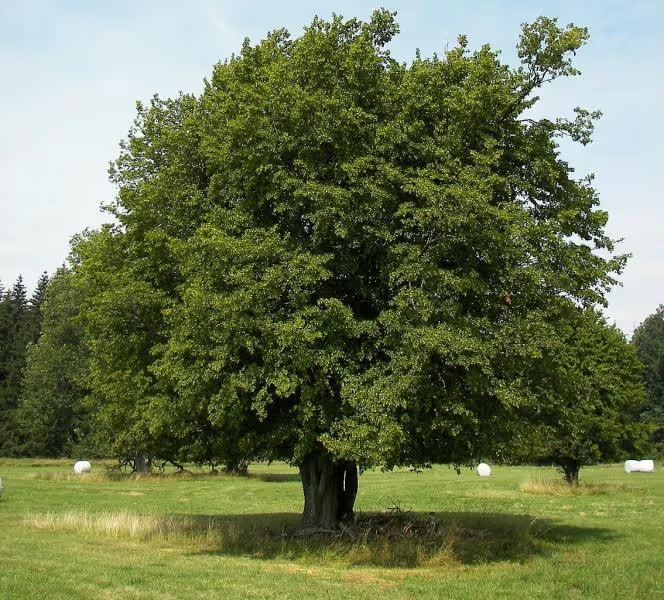
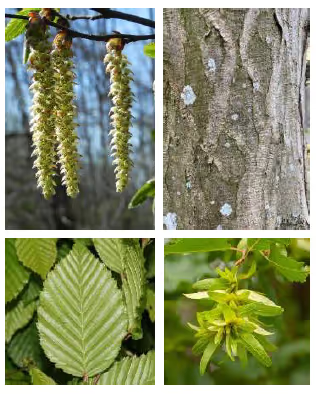
The common hornbeam is a medium-sized tree that can reach heights of up to 20 meters and lives for 50 to 150 years. Its fluted trunk, with sinuous ridges reminiscent of muscles, has a light color. The more pronounced the fluting, the older the tree. Its oval, alternate, and doubly serrated leaves are light green in spring, turning golden yellow in autumn and brown/orange in winter. Since its foliage is deciduous and marcescent, some of its leaves remain attached until the spring sap begins to rise. Its flowering takes place in April and May, appearing as discreet catkins, with both male and female flowers on the same individual. In September, its fruits appear—samaras grouped in clusters that serve as food for numerous animals during autumn and winter.
Distribution and adaptation
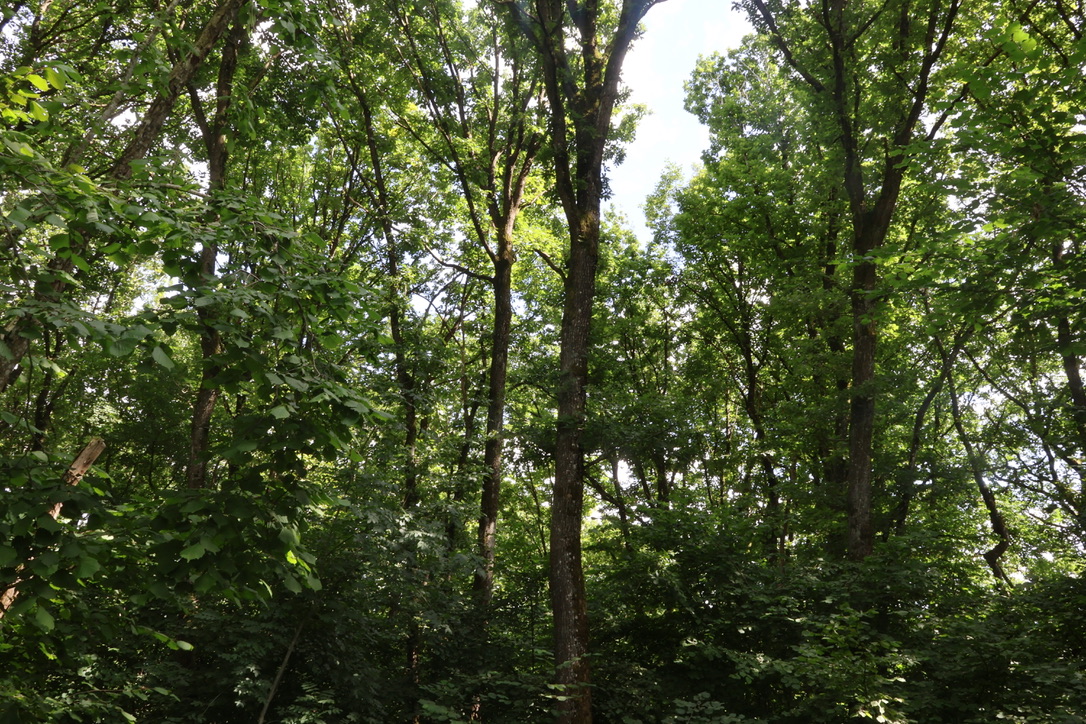
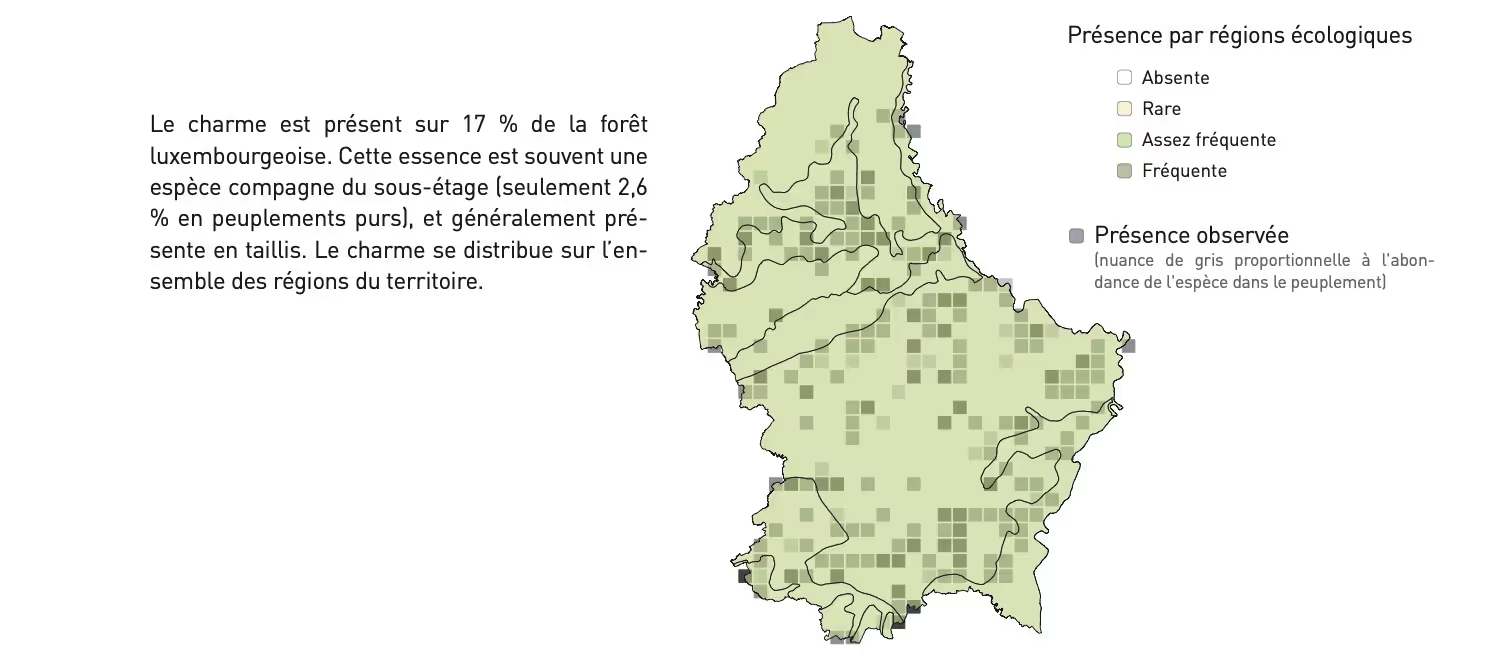
The hornbeam is the third most common tree species in Luxembourg, after the beech and the hazel. It is present in 17% of Luxembourg's forests. This species is often an understory companion species (only 2.6% in pure stands), and is generally found as coppice. It is mainly found in deciduous forests, hedgerows, and urban alignments, where it often coexists with oak and maple. Resistant and adaptable, it prefers fresh, fertile soils, but also tolerates drier and calcareous terrain. It is widespread in the humid areas of the Gutland and the shady forests of the Oesling.
Uses and landscape importance
Hornbeam wood is highly prized for firewood due to its slow and steady combustion. It is also used to manufacture objects such as tool handles, game pieces, panels, or paper, although its irregular trunk makes it more difficult to work with. This tree is considered an "edible" plant, even though it is rarely used for that purpose. It also has medicinal virtues, such as promoting proper blood coagulation or lowering cholesterol in the liver. In landscaping, the hornbeam is appreciated for its ease of pruning and its ability to form natural hedges and windbreaks. It is widely planted in parks, gardens, and reforestation projects, playing an important role in combating soil erosion and filtering water. Its marcescent foliage offers visual protection and a natural barrier in winter, and its tolerance to pollution makes it an excellent choice for urban greenery.
An essential tree for biodiversity
The hornbeam plays a key role in ecological balance. Its dense foliage provides a refuge for numerous insects, birds, and small mammals. Its flowers attract pollinators, and its fruits feed various animal species, such as the nuthatch (Sitta europaea), which carries the seed to a tree with grooved bark, wedges the seed there, and then breaks it open with its beak.
Furthermore, the decomposition of its leaves enriches the soil with humus, thereby promoting the development of a rich forest ecosystem. Old, hollow hornbeams become habitats for bats and xylophagous insects, contributing to forest biodiversity.

The Hornbeam, a Tree for the Future
Facing climate challenges and the need to preserve biodiversity, the hornbeam has a crucial role to play. Its tolerance to anoxia and soil compaction allows it to thrive in environments with fluctuating water regimes. It is resistant to seasonal extremes—intense cold, snow, early or late winter frosts, as well as summer droughts and high temperatures. The hornbeam is a tree for the future, actively participating in the adaptation and sustainability of forests in the face of climate change.
© Maija Hormain

.jpeg)
.jpeg)