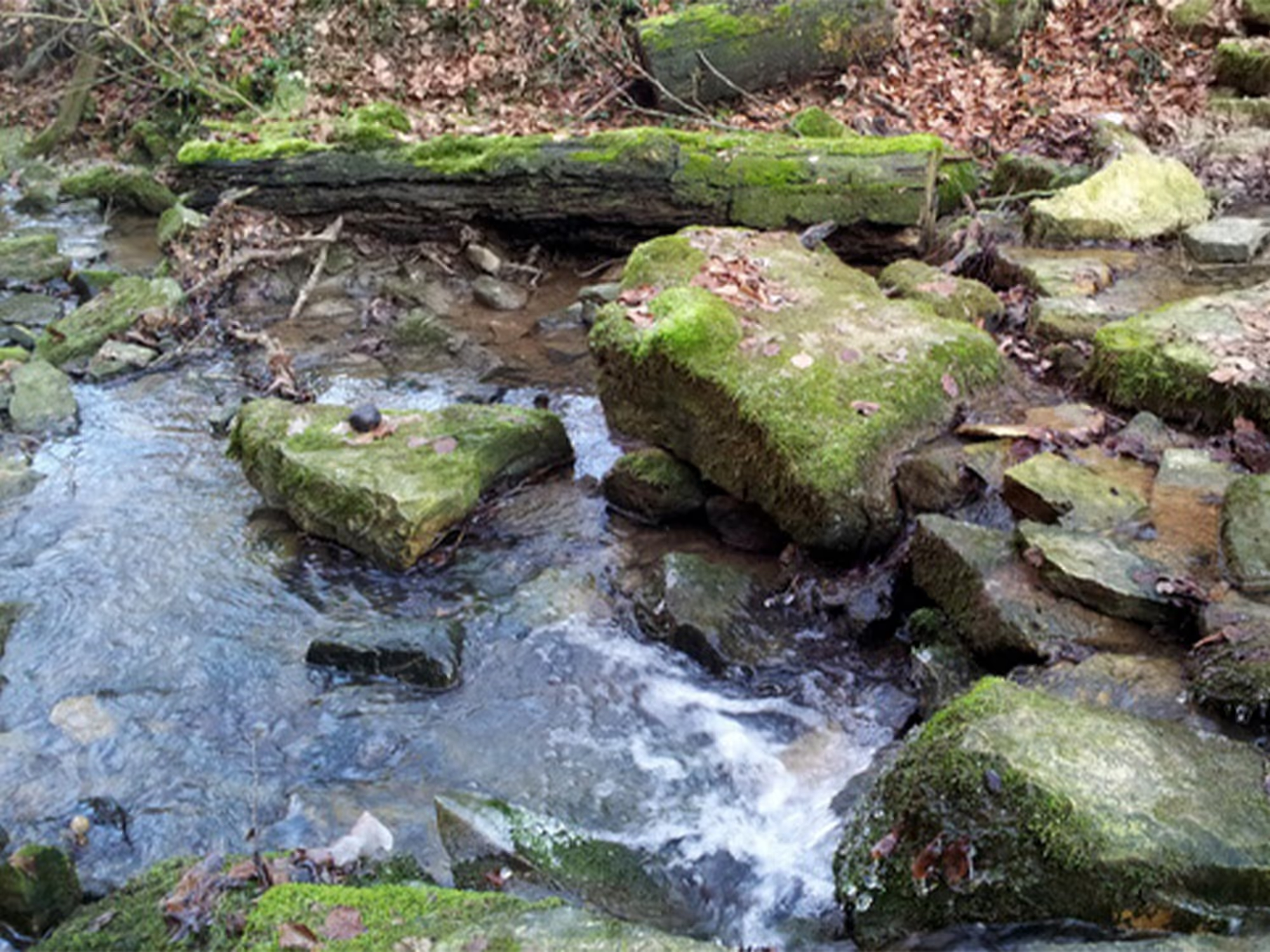

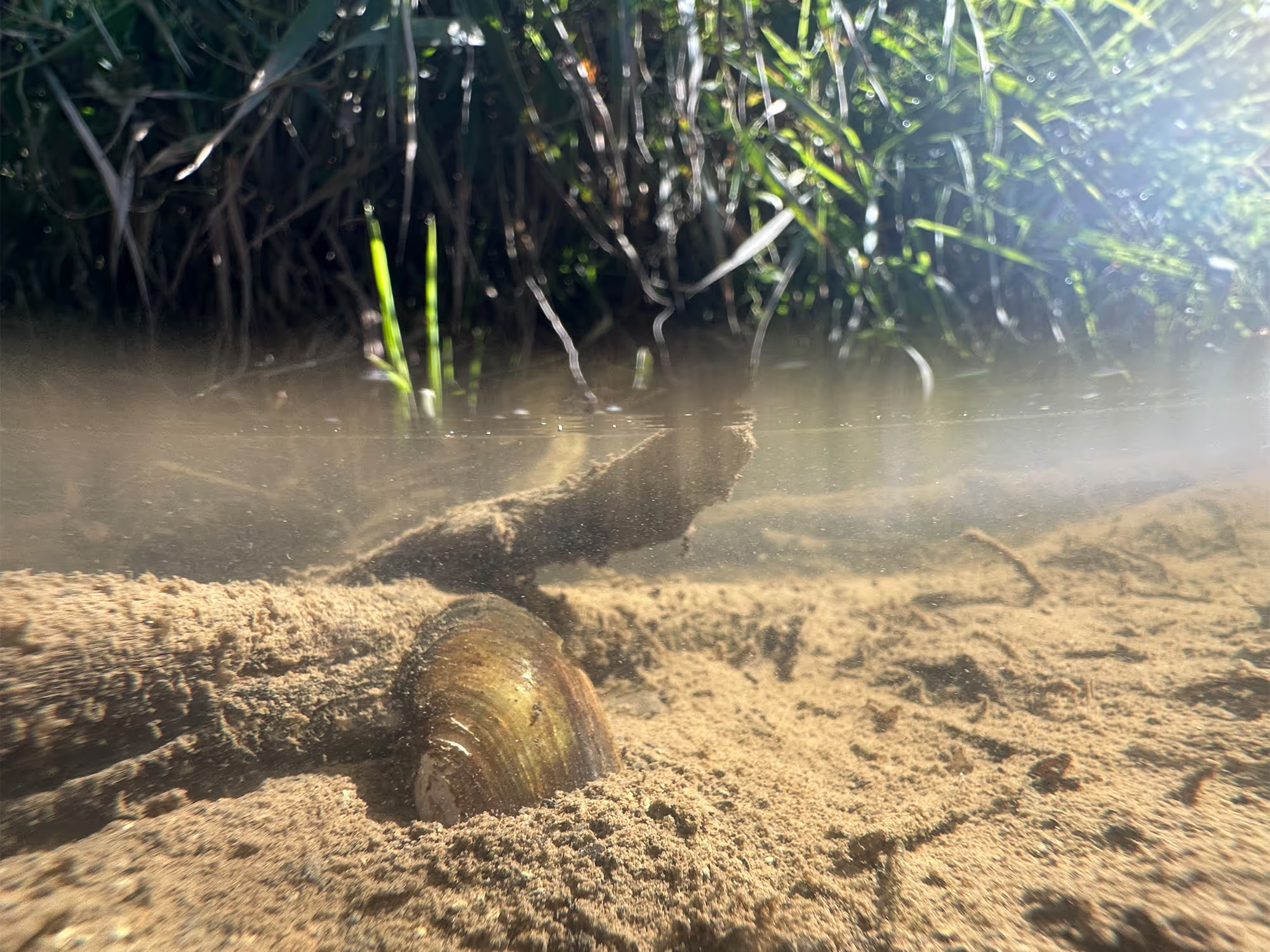
In the mussel breeding station near the Kalborn mill, endangered species such as the freshwater pearl mussel (Margaritifera margaritifera) and the thick-shelled river mussel (Unio crassus) are bred. The aim of this work is to reintroduce the mussels into the river once they have reached a size where they no longer live completely buried, but are visible in the riverbed.
This significantly increases their chances of survival. In addition to breeding mussels, it is very important to improve the quality of the Our as a habitat through various measures. These measures benefit not only the mussels, but also all other aquatic organisms.
Mussel breeding is very complex: First, mussel larvae are collected after being released by adult mussels to infect host fish.
The tiny mussels, less than half a millimeter in size, that develop on the host fish are caught in nets in special facilities and then raised in plastic boxes in a temperature-controlled cabinet, where they are fed with unicellular algae.
Freshwater mussels stay in the breeding station for two years, and pearl mussels even for three to four years. Only then, when they reach a size of 1.5 to 3 cm, are they released into their respective native waters. Since 2017, more than 20,000 young mussels have already been successfully reintroduced into the wild.