
Luxembourg's last wild felines are losing ground.
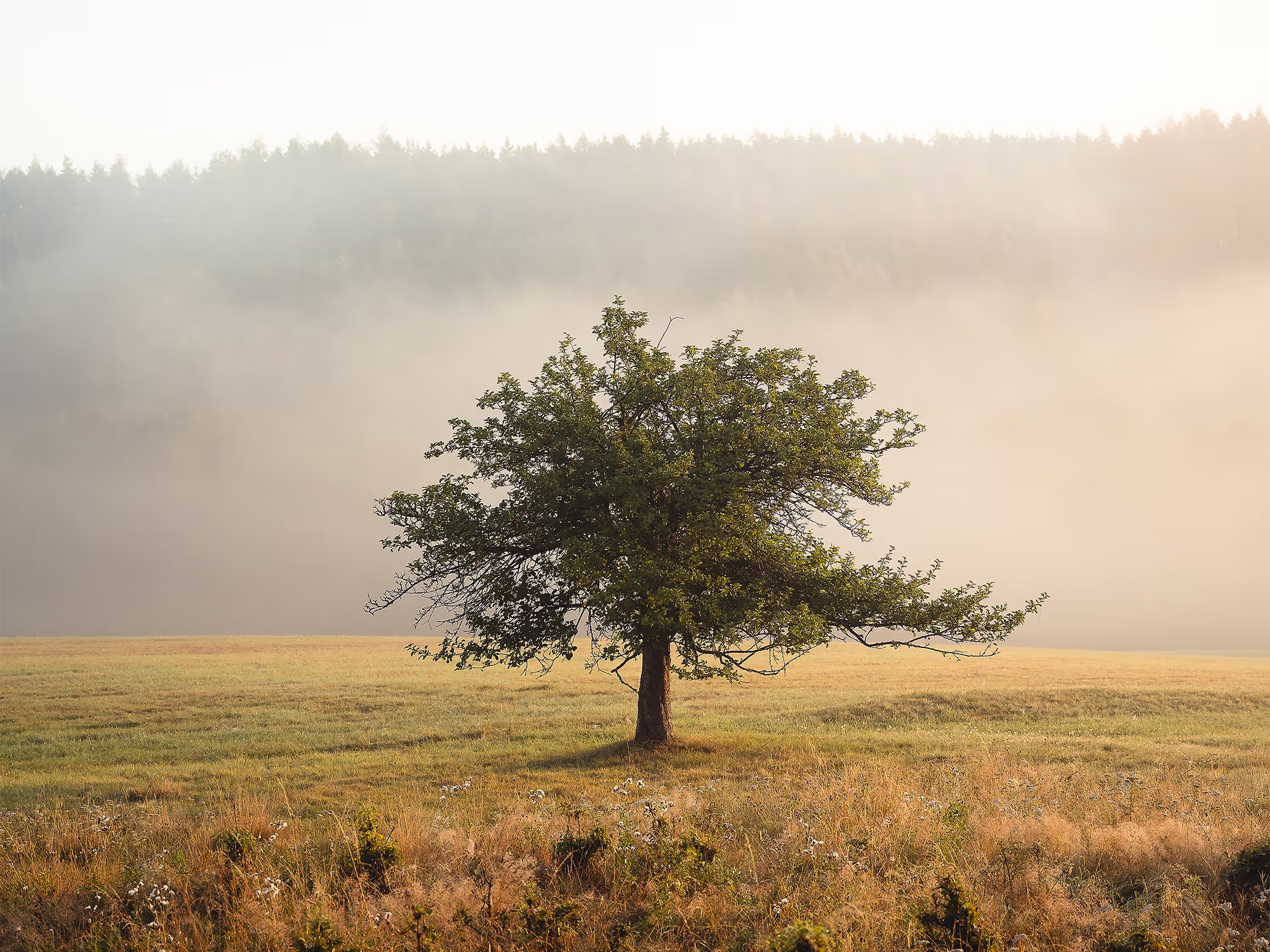
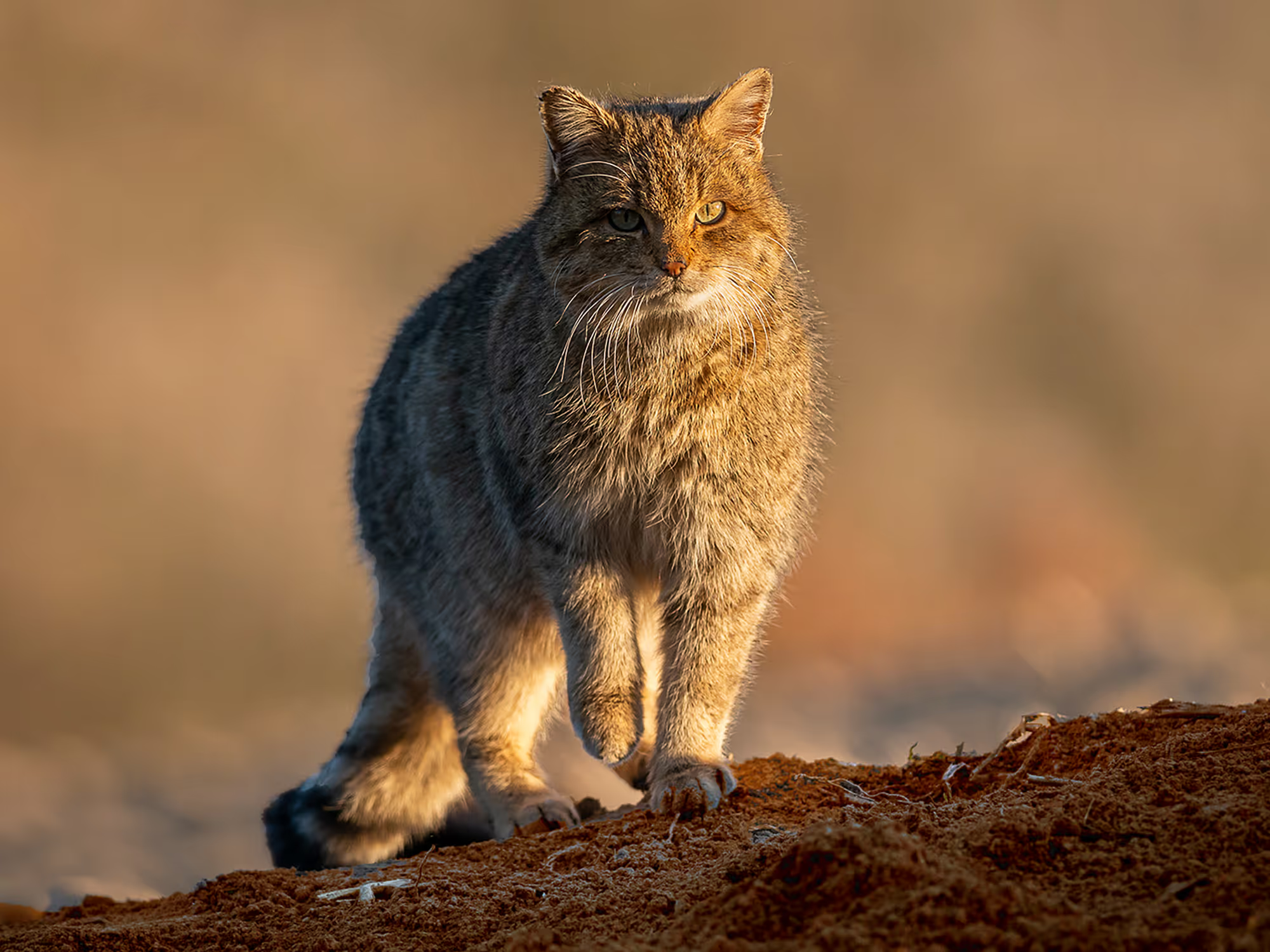
For centuries, the mystery surrounding the European wildcat (Felis silvestris silvestris), also known simply as the wildcat, has captivated nature lovers. This discreet feline lives in our forests, meadows, and clearings. Primarily observed in the region between the Ernst valley and the Syre valley, it has been spotted in the Groheck nature reserve, near Biwer.
Resembling its domestic counterpart but larger in size, the wildcat features a robust build, a bushy tail, and a tawny-gray coat marked with black stripes. As a true forest predator, the wildcat helps control populations of small mammals, birds, and even reptiles, thus playing a crucial role in the ecosystem.
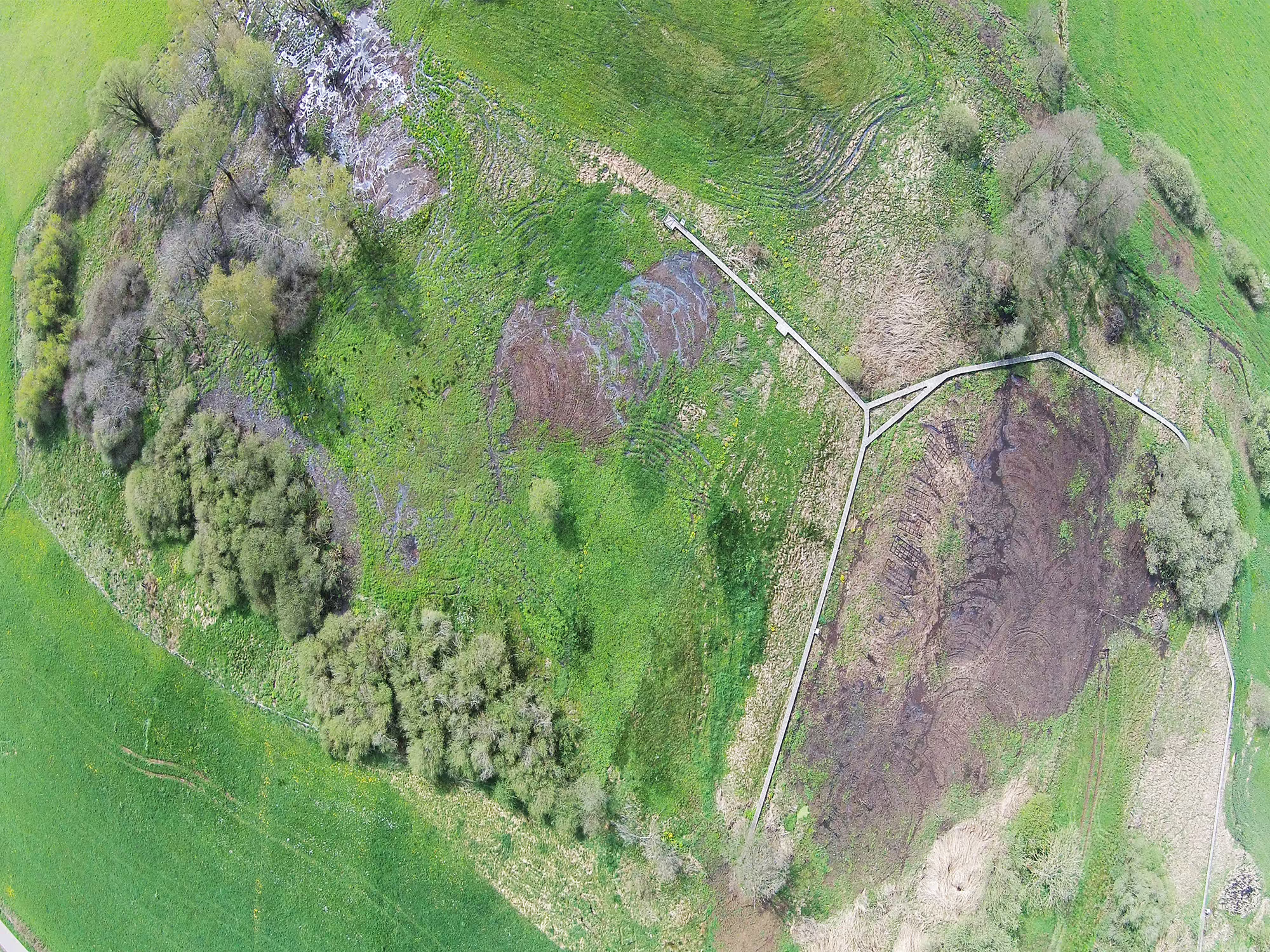
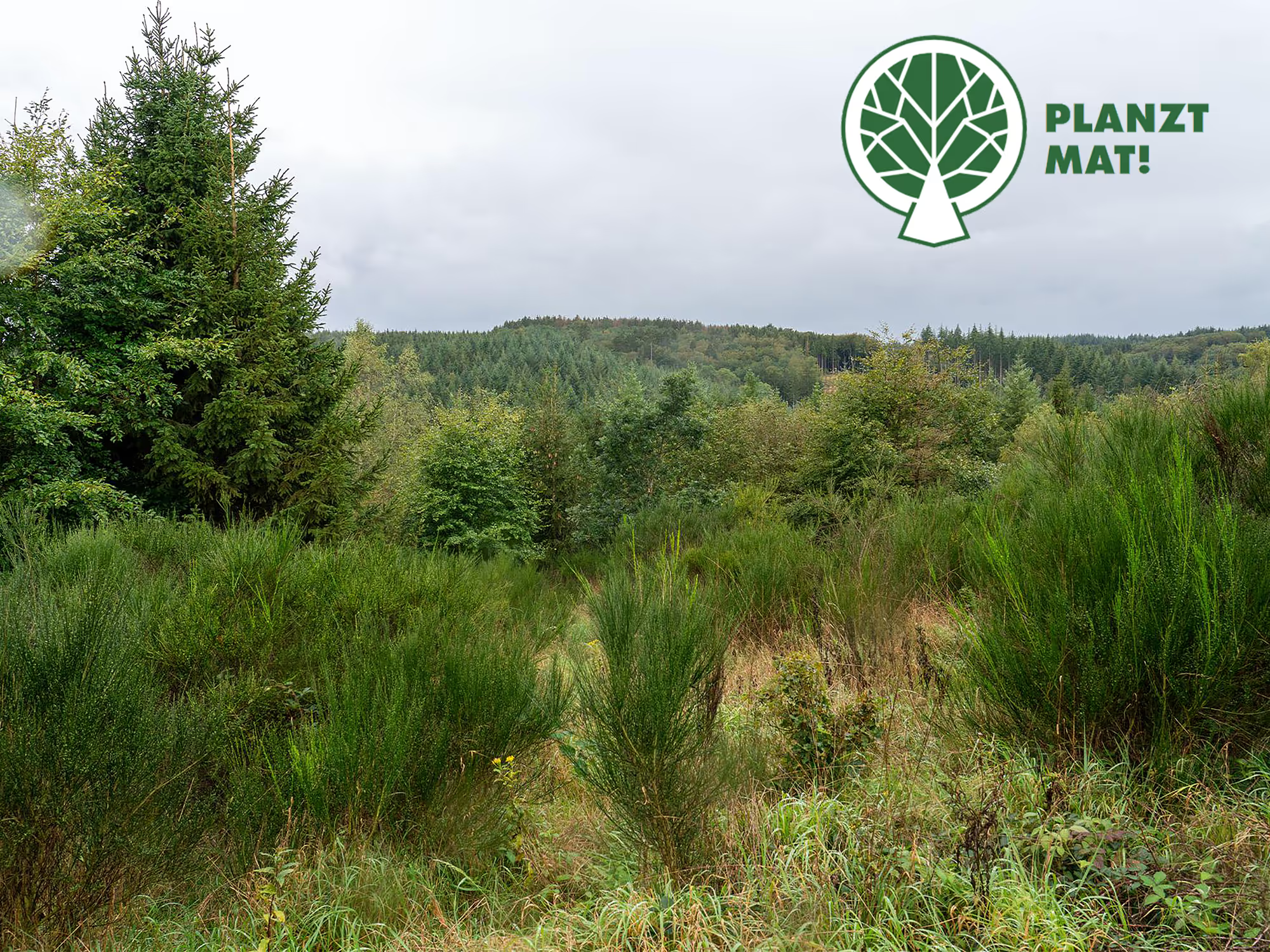
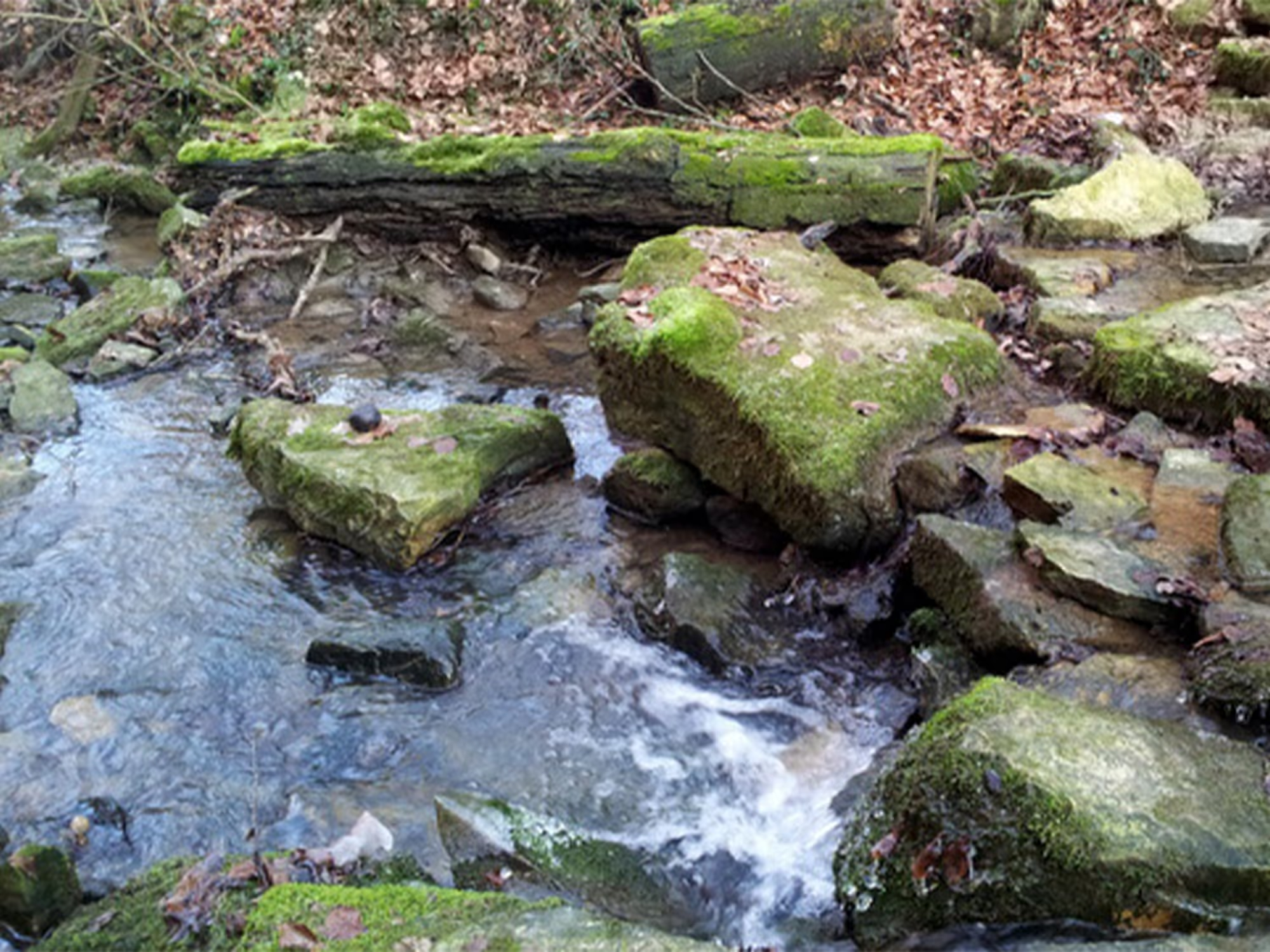
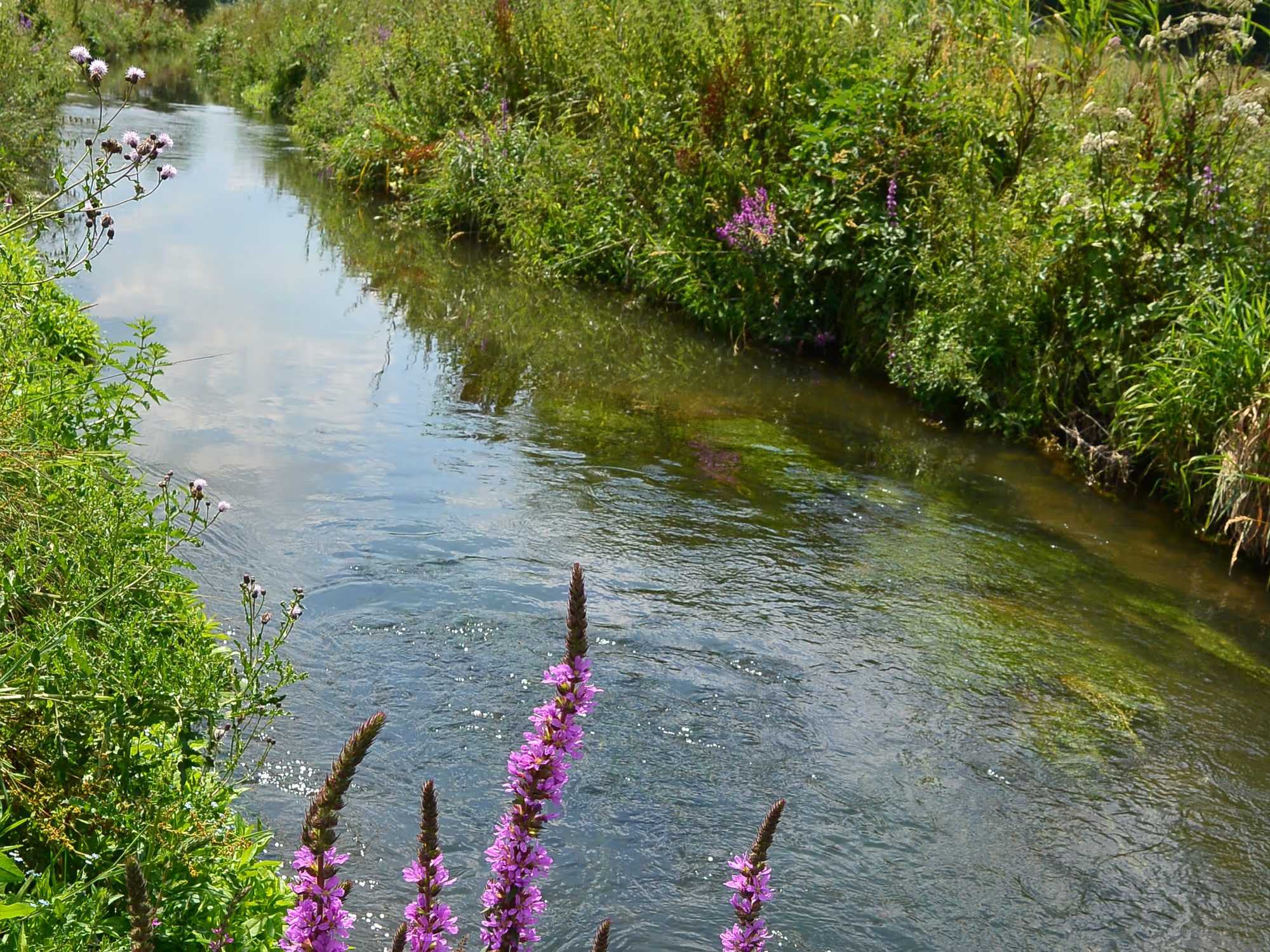
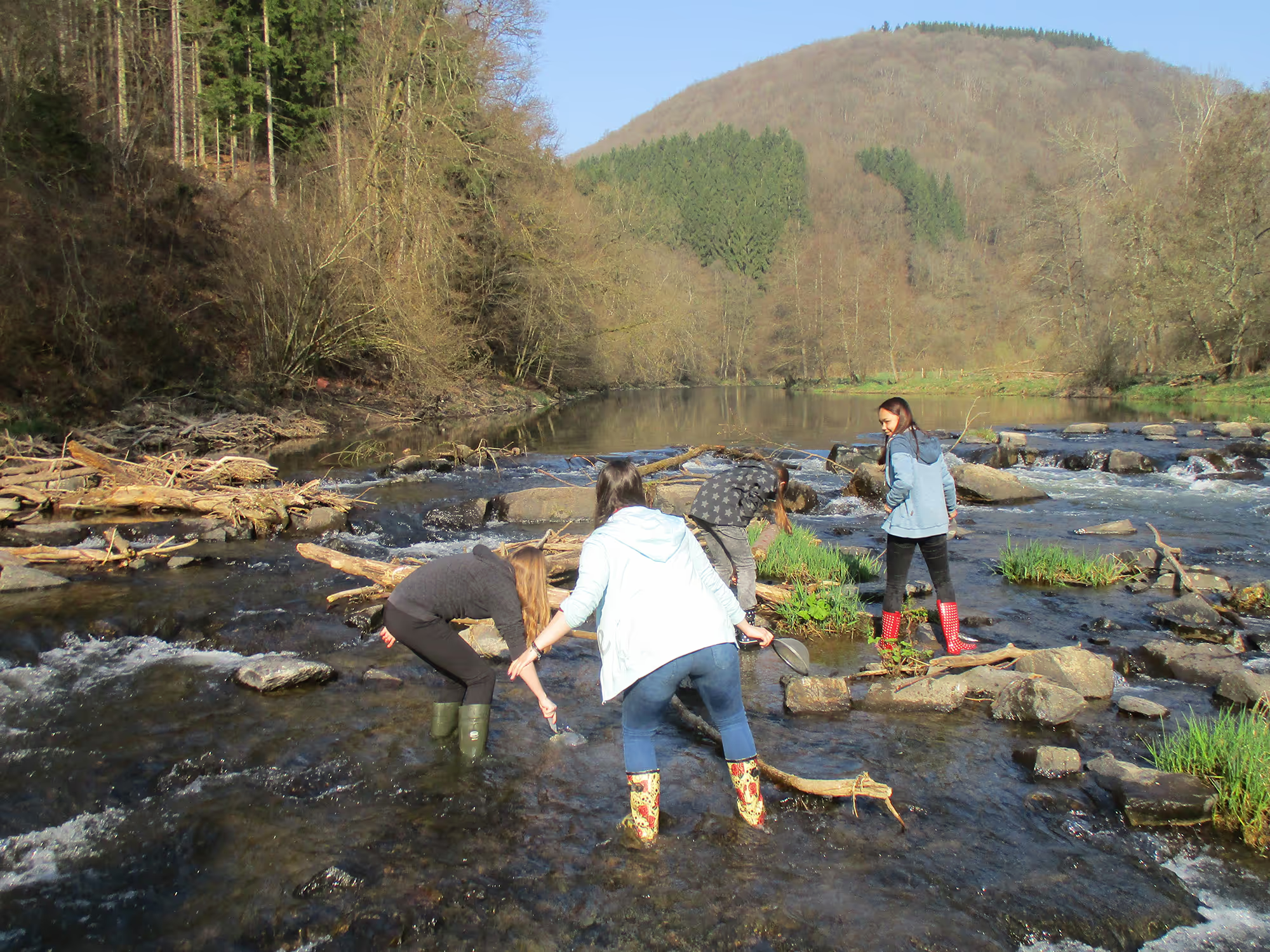
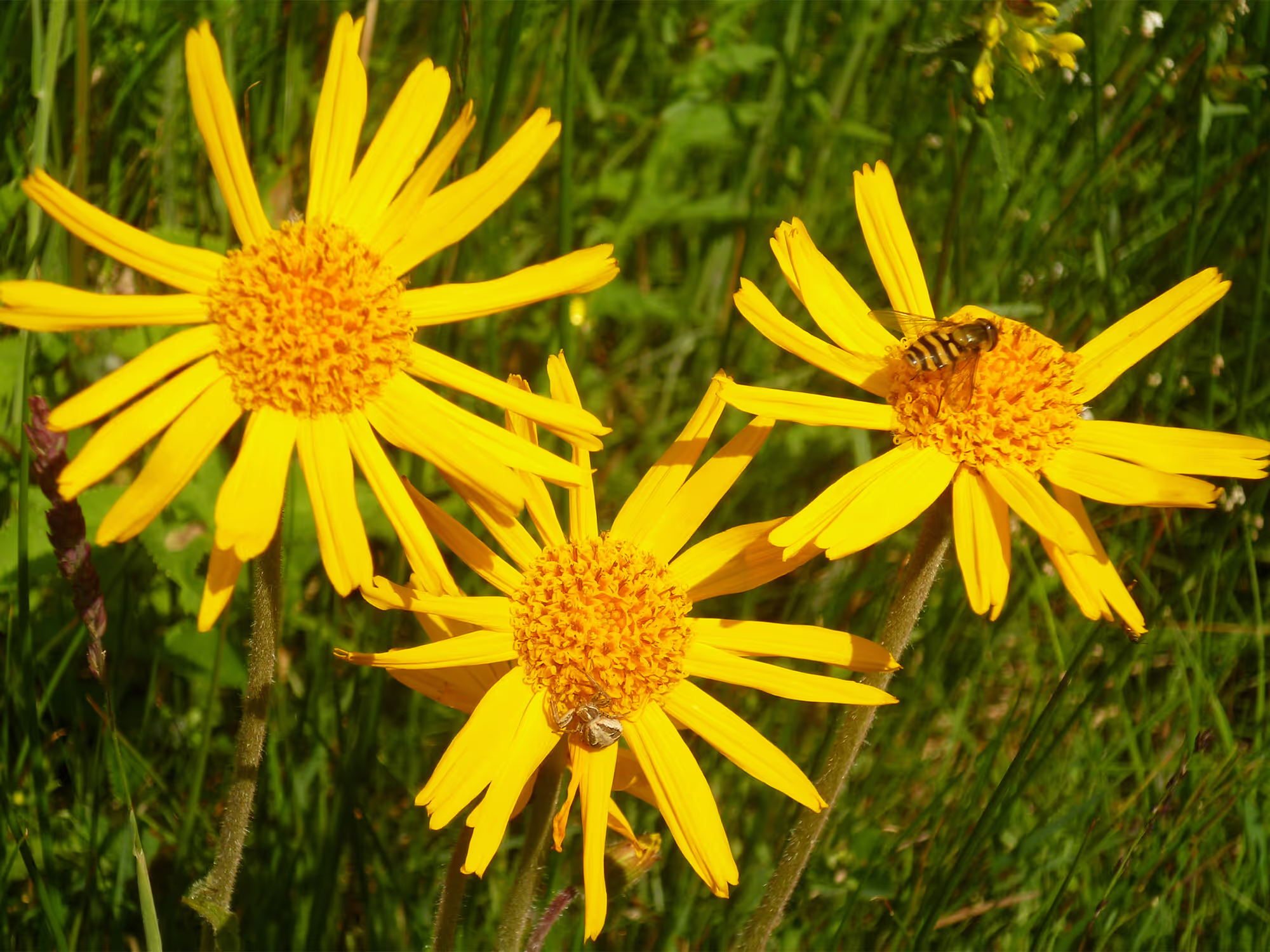
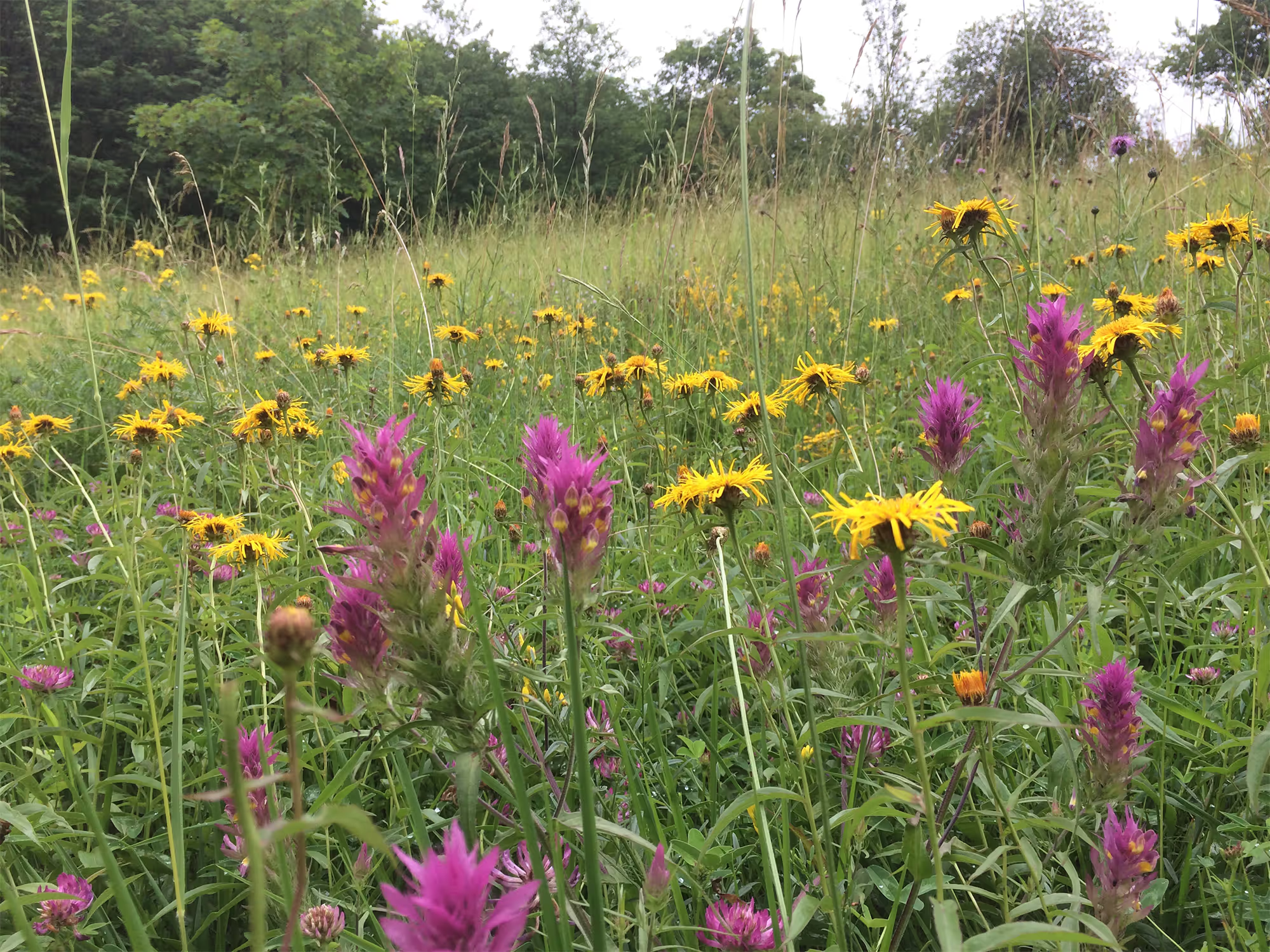
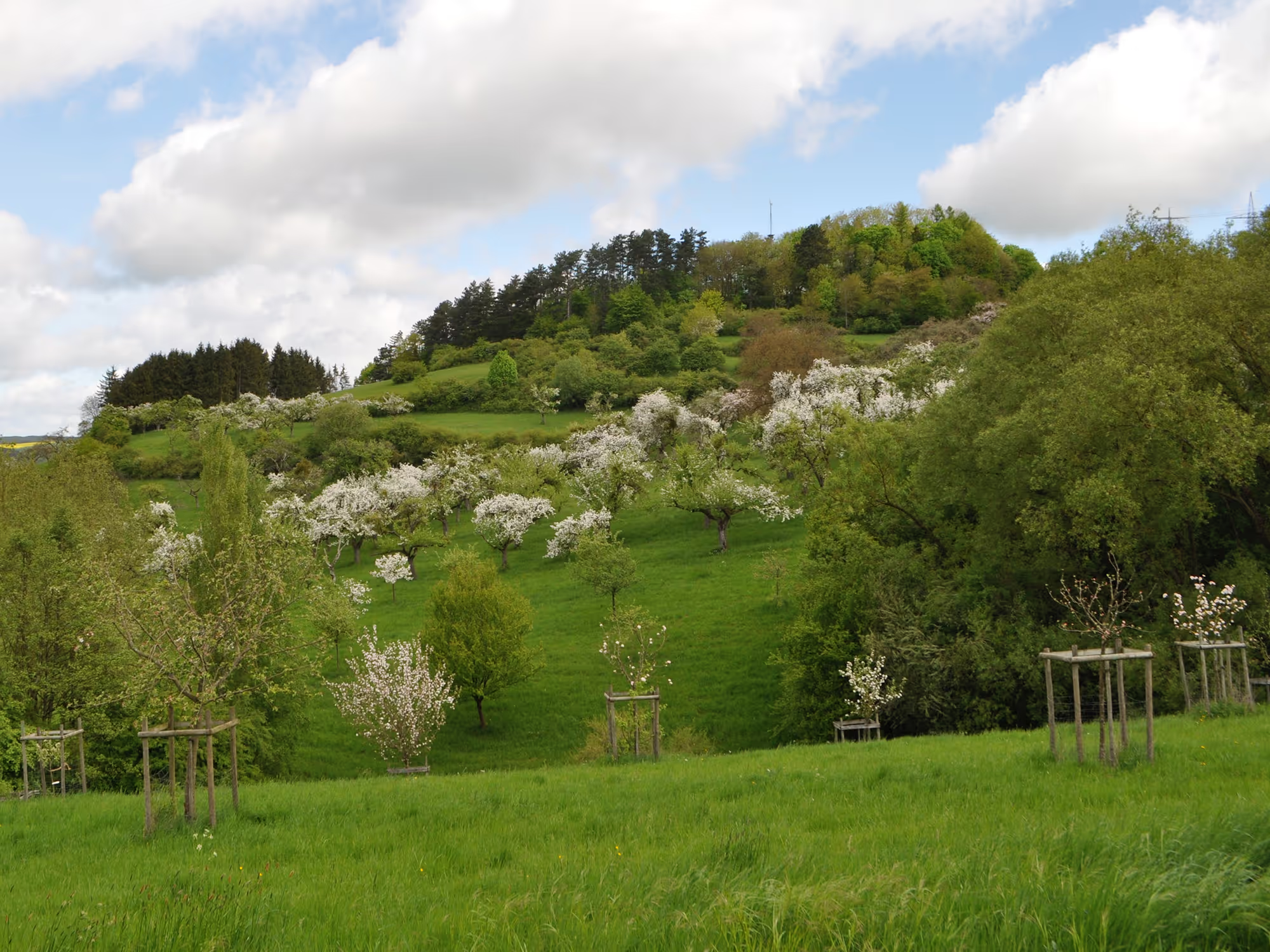
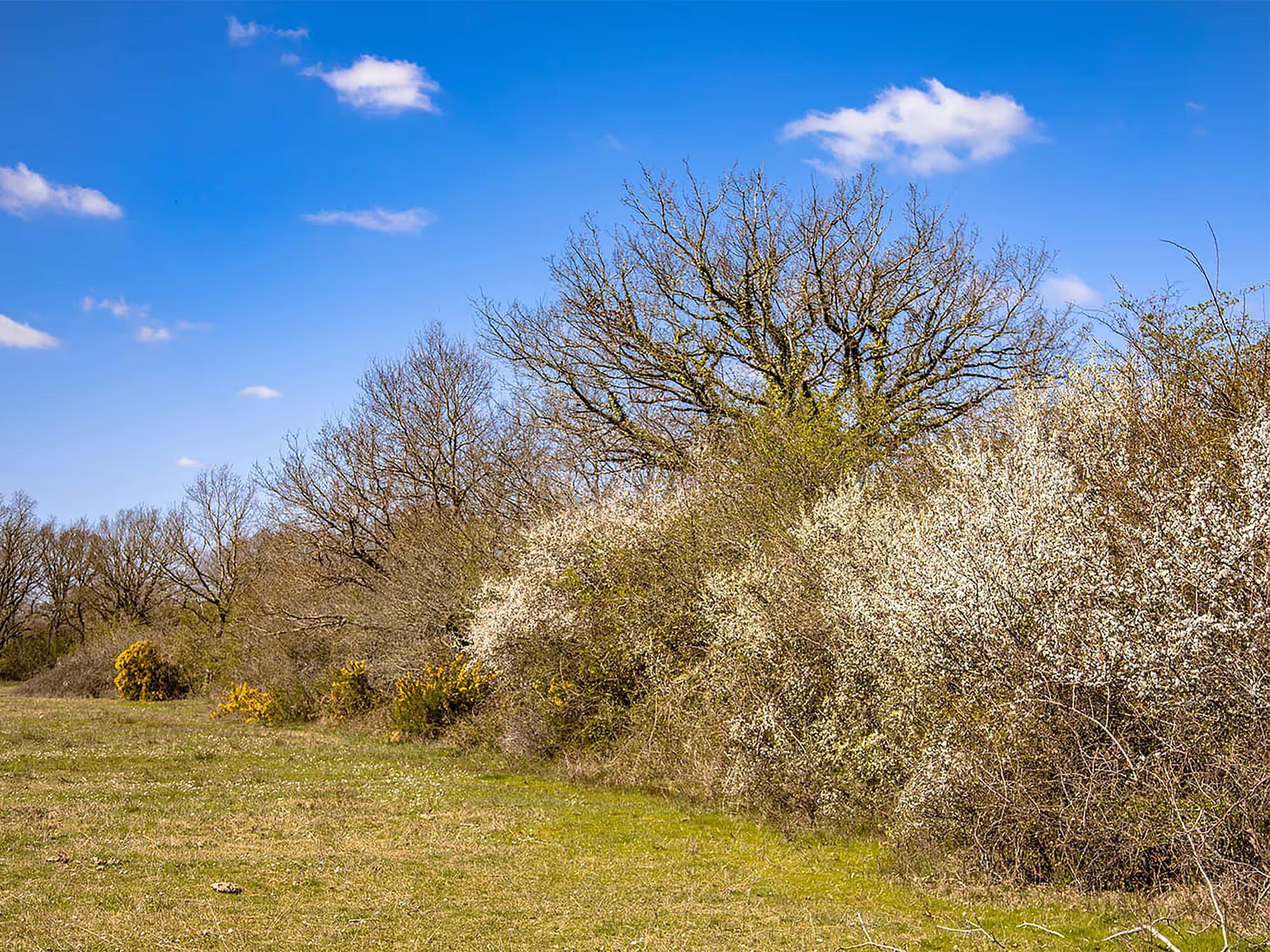
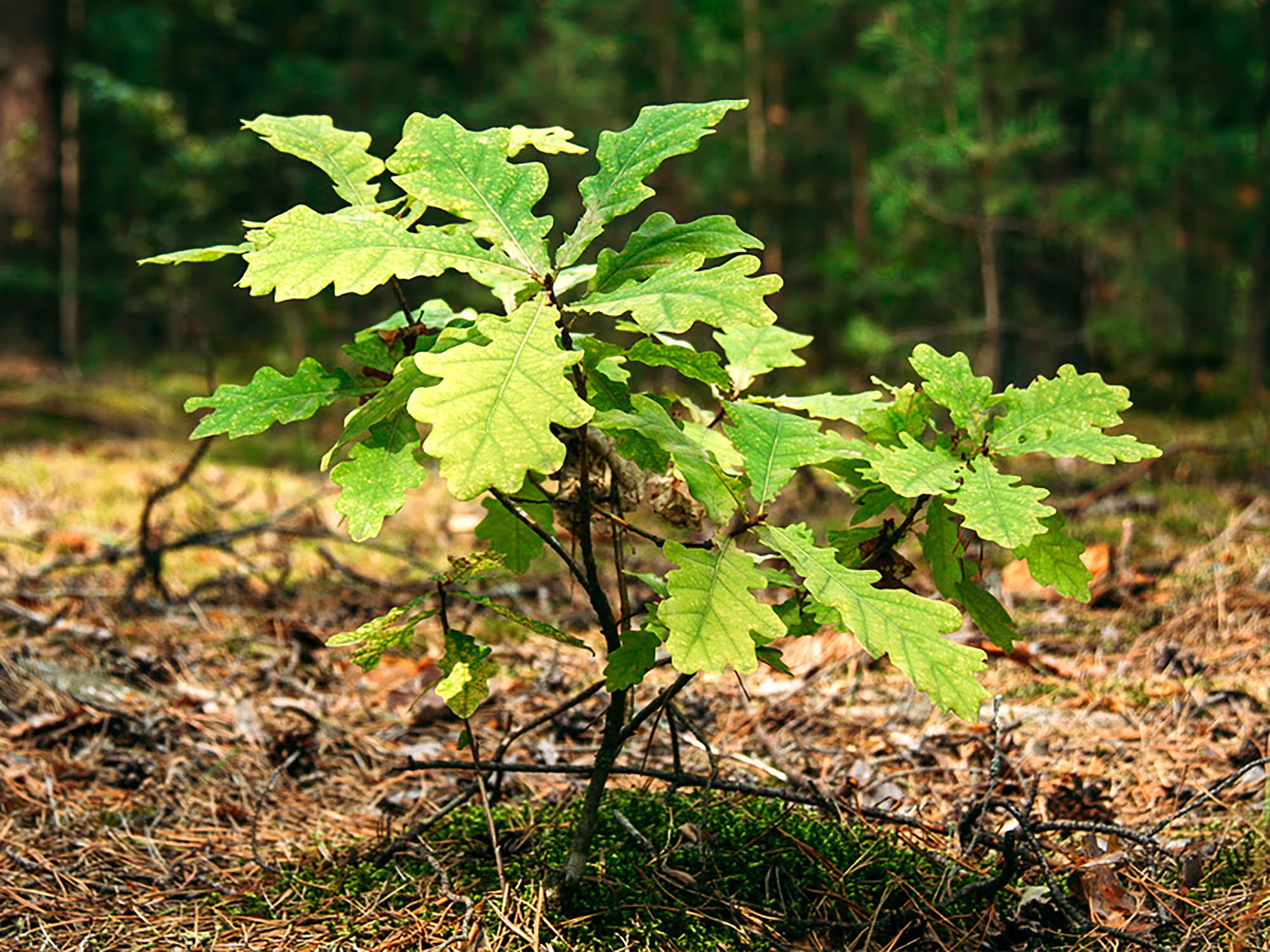
Along the Biwerbaach and its stream bed leading to the Marxmillen mill, the landscape is characterized by rock formations and old stone terraces. The Groheck reserve is well known to ornithologists for its many observed bird species (such as the white-throated dipper, gray wagtail, European pied flycatcher, coal tit, and Eurasian treecreeper). Consisting mainly of a mixed deciduous forest (maple, oak, hornbeam), blooming with orchids, and bordered by an orchard and hedgerows, the nature reserve harbors a rich and diverse ecosystem, providing an ideal refuge and hunting ground for the wildcat.
Yet the species is under threat!
Since 2019, over 85% of trees in Luxembourg's forests have been damaged. Human activity and a lack of ecological corridors are threatening the feline's balance and fragmenting its habitat. Roads, urbanized areas, and agricultural land create barriers that hinder the species' movement from one natural environment to another, slowly driving it toward decline.
There is an urgent need to act to protect this fascinating and mysterious species!
The Groheck nature reserve represents much more than just a refuge for the wildcat; it embodies the vital importance of protecting and preserving natural ecosystems for local wildlife and flora. By making a donation, you will help preserve this fragile ecosystem and its iconic inhabitants.
Fondation Hëllef fir d’Natur
IBAN LU89 1111 0789 9941 0000 (Reference: wildcat)
www.hellefnatur.lu