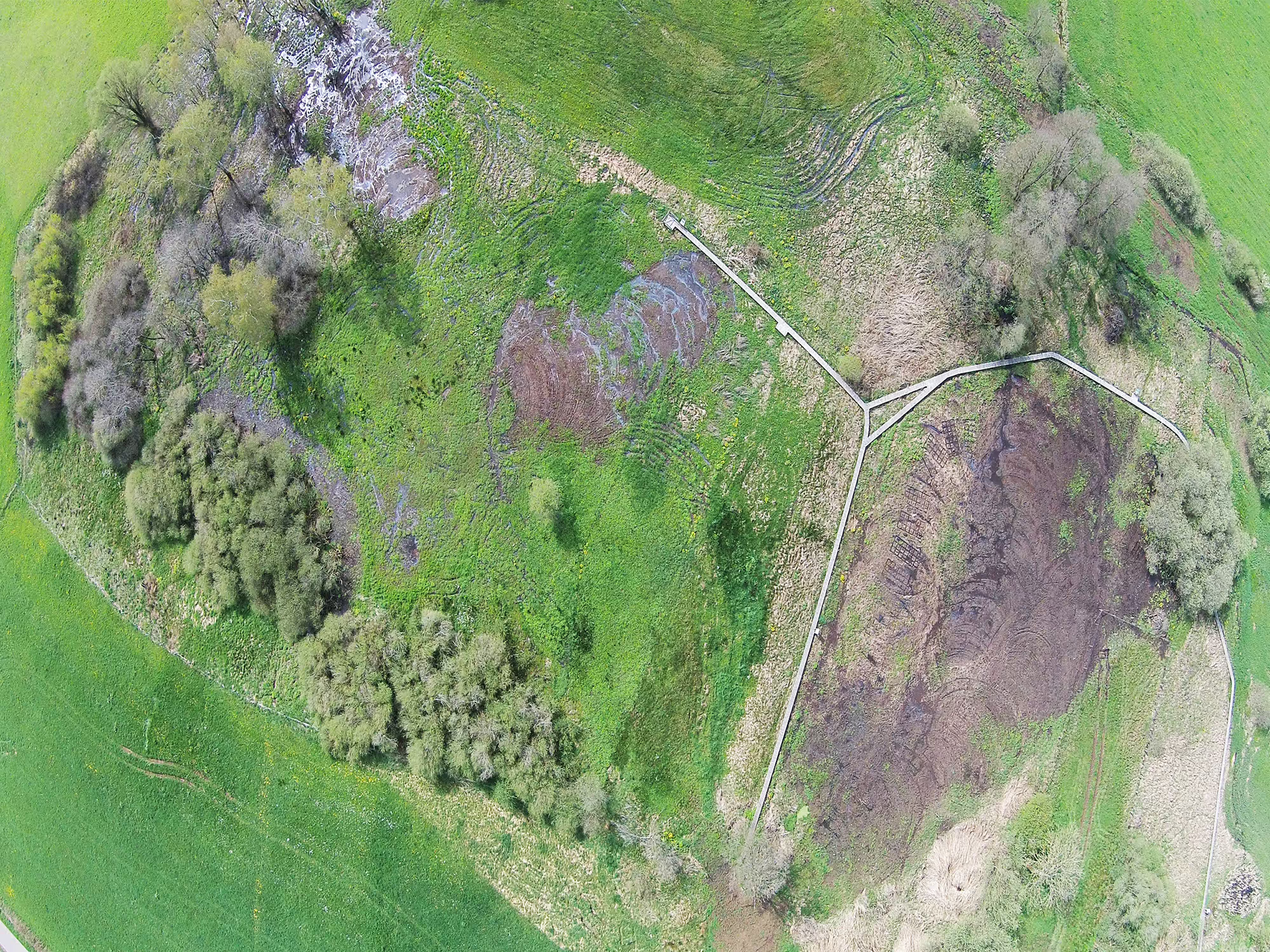

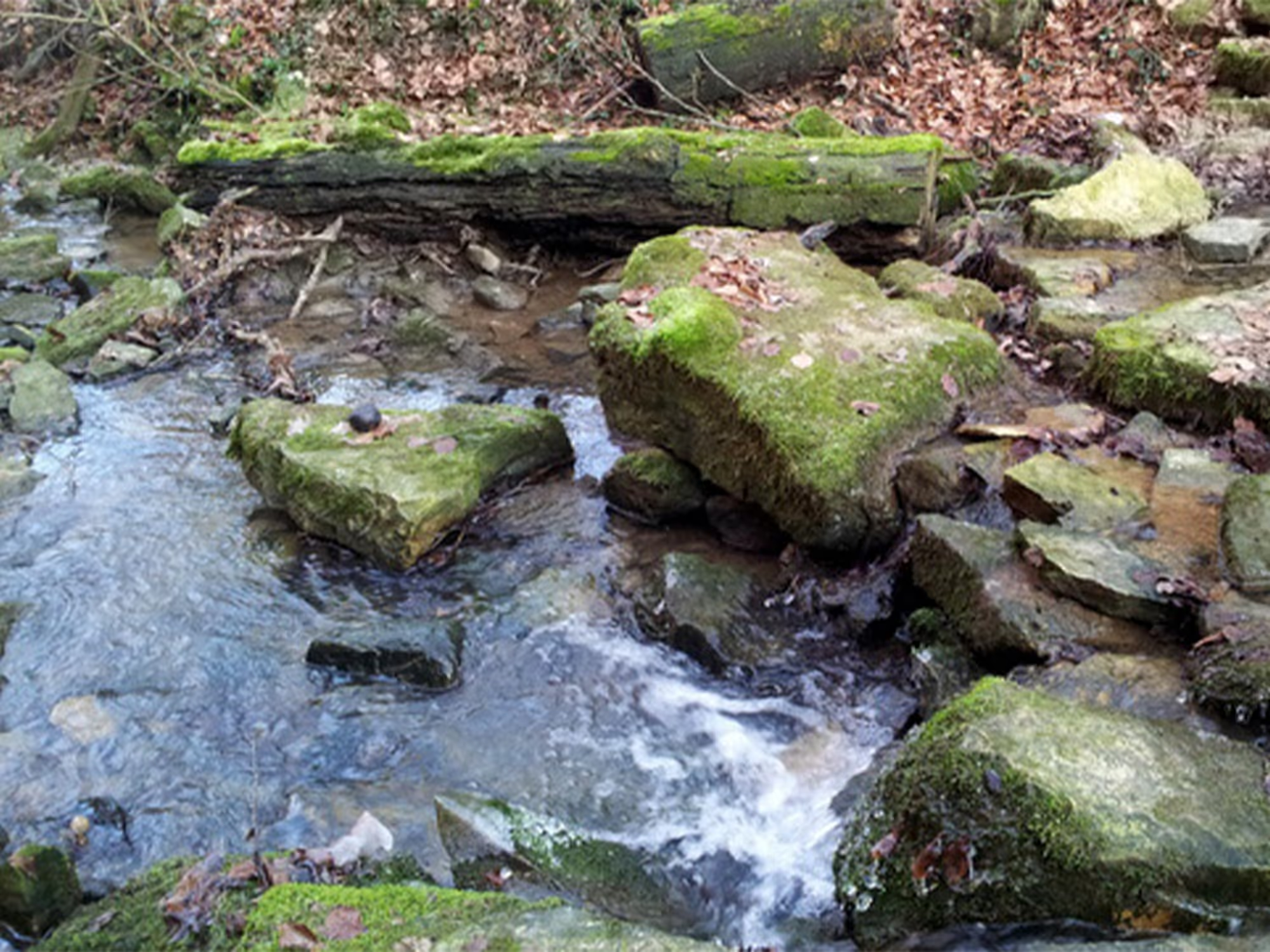
Due to its geology, there is a specific type of spring in the Mullerthal known as tufa-forming springs or petrifying springs. They are defined as priority habitats protected by the Habitats Directive due to their sensitivity to changes in water flow or physico-chemical quality. Typical features are limestone deposits caused by the precipitation of calcium bicarbonate in the water. These encrusting springs are home to highly specialized flora and fauna.
It is this vulnerability of the springs that led us in 2013 to carry out a survey of the condition of all spring types on behalf of the Mullerthal Syndicate and the Nature and Forests Agency – East District. This inventory recorded 348 springs, including 159 in open areas and 189 in forests. It revealed that more than half of the springs are in a fair or poor condition, with those in open areas being the most affected.
This finding formed the basis of the current action plan for the protection of springs in the Mullerthal. The goal is to improve around forty springs to preserve this unique natural heritage. Improving the overall ecological status of natural springs will also have a positive impact on drinking water quality. To monitor the effect of these measures, they will be accompanied by monitoring of wildlife and physico-chemical parameters.