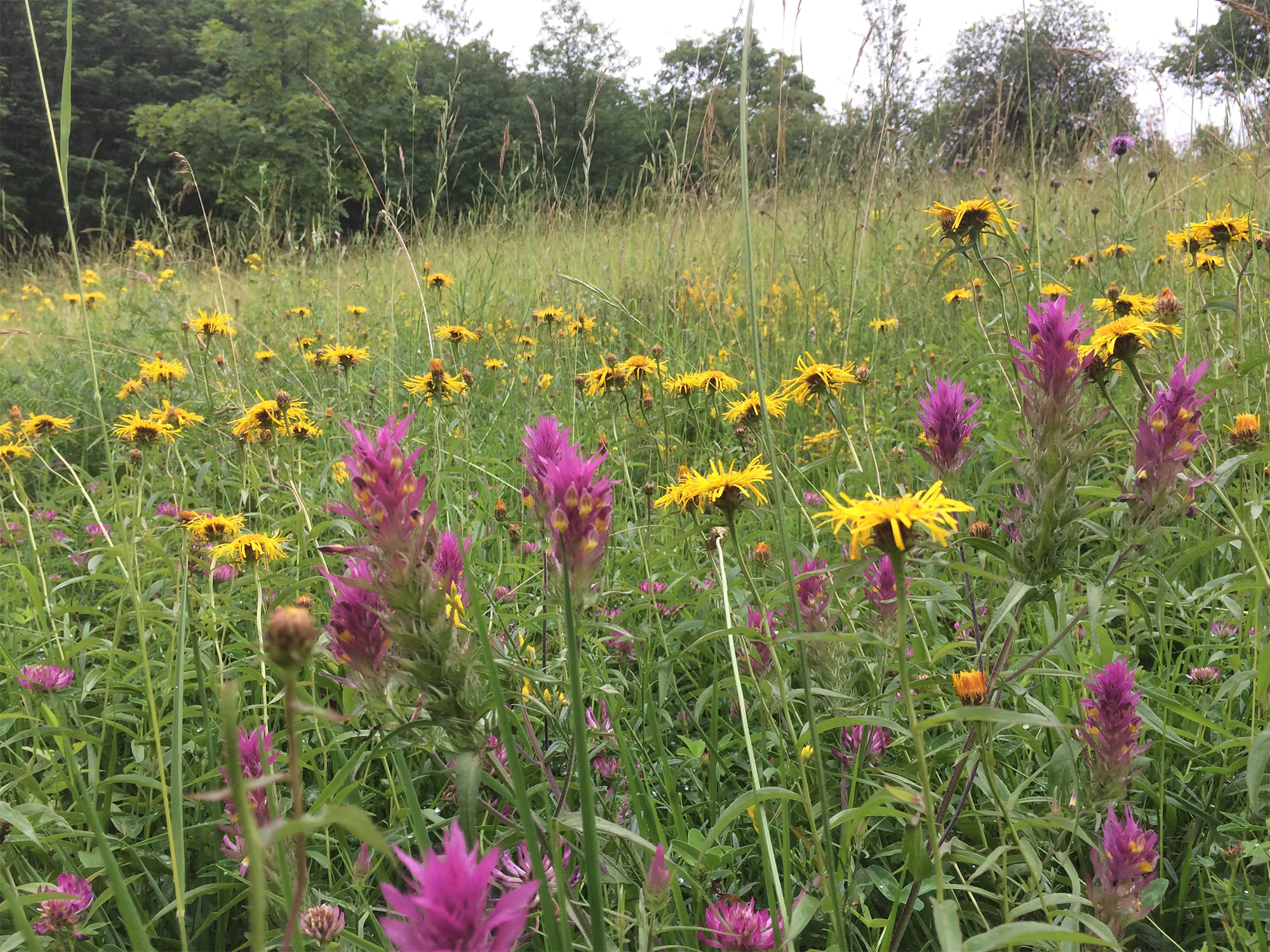

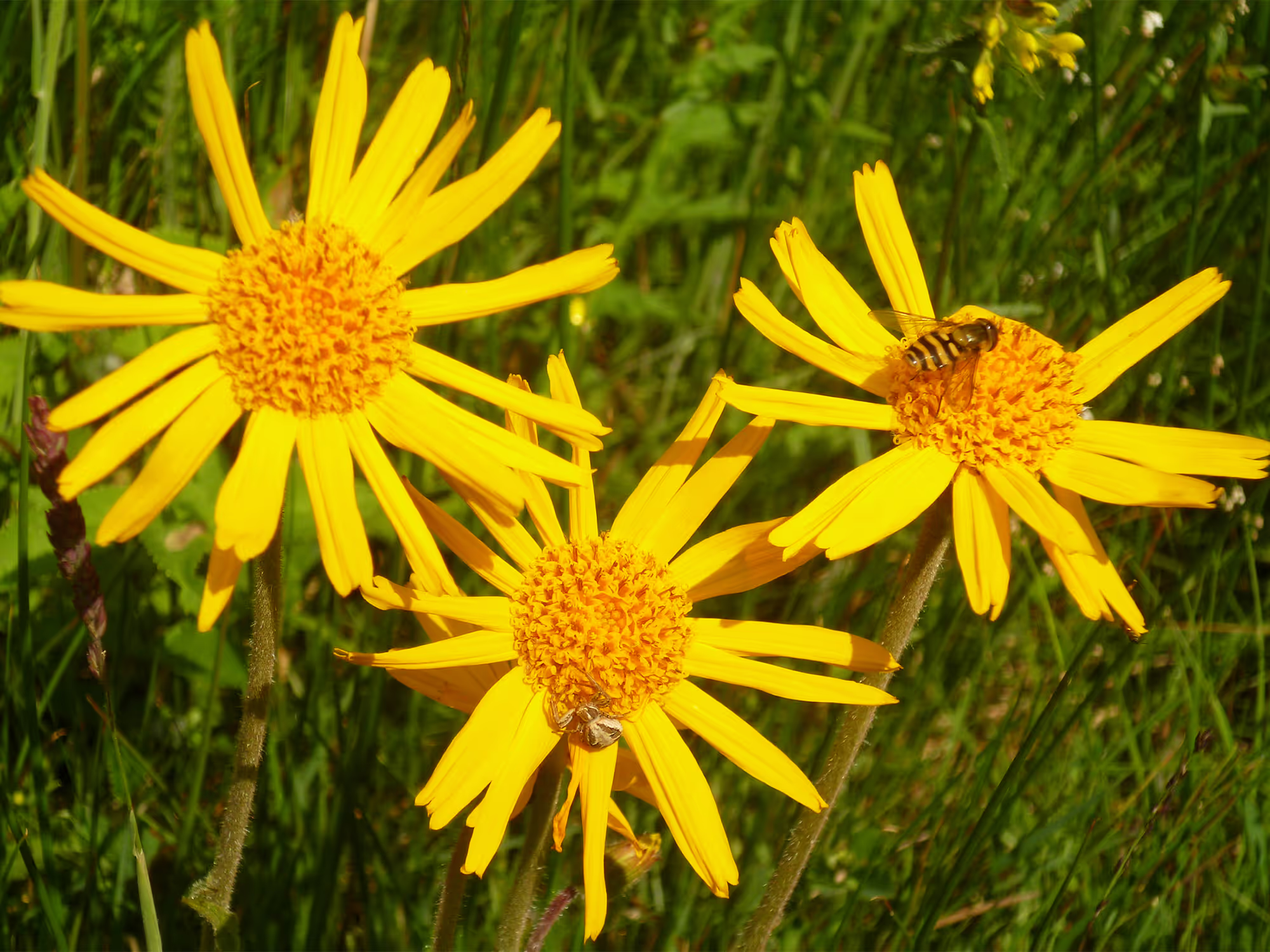
Arnica montana is a species characteristic of nard grass (Nardo-Galion) meadows. This type of habitat is highly threatened throughout Europe. The main causes of its decline are changes in agricultural practices, particularly the fertilization and liming of meadows (Colling 2005). Since Arnica montana is a long-lived species, it is capable of surviving in habitats that differ from its native habitat, particularly in abandoned grasslands if they are not fertilized. However, the lack of management (extensive grazing and late mowing) prevents the survival of young seedlings, and the species is limited to reproducing vegetatively via rhizomes. Arnica montana populations in Luxembourg are destined to disappear within the next ten years unless urgent measures are taken to restore them.
The strategic objective is to significantly increase the size of current Arnica montana populations. The current very small populations are not viable because the species has a genetic incompatibility system regarding sexual reproduction. It is estimated that a minimum of 500 individuals per population is needed for a population to be viable in the medium term. All current populations are significantly smaller than this. The reintroduction of Arnica montana to historical sites must also be considered. Indeed, Arnica montana does not have a seed bank, and the reappearance of the species in a favorable habitat is highly unlikely given its poor seed dispersal capacity, which is limited to just a few meters. The strategic goal is to restore and create 10 local Arnica montana populations with numbers exceeding 500 individuals. It should be noted that for this species, the number of individuals differs significantly from the number of rosettes, which can be much higher due to the plant's vegetative reproduction using rhizomes.