

Under this title, the new European project by Fondation Hëllef fir d'Natur, carried out jointly with Natagora and natur&ëmwelt a.s.b.l., began on January 1, 2025, and will run for a total of 7 years.
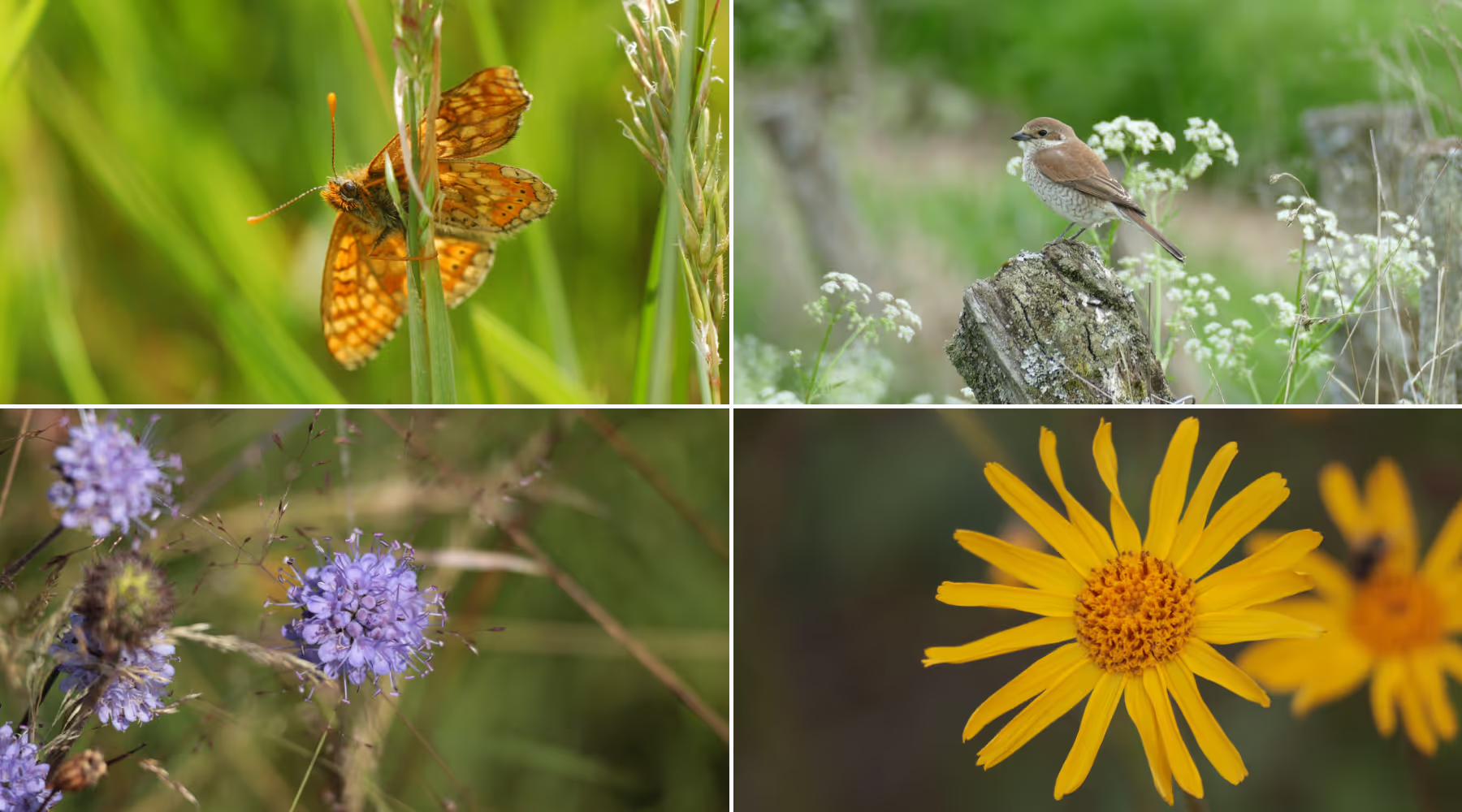
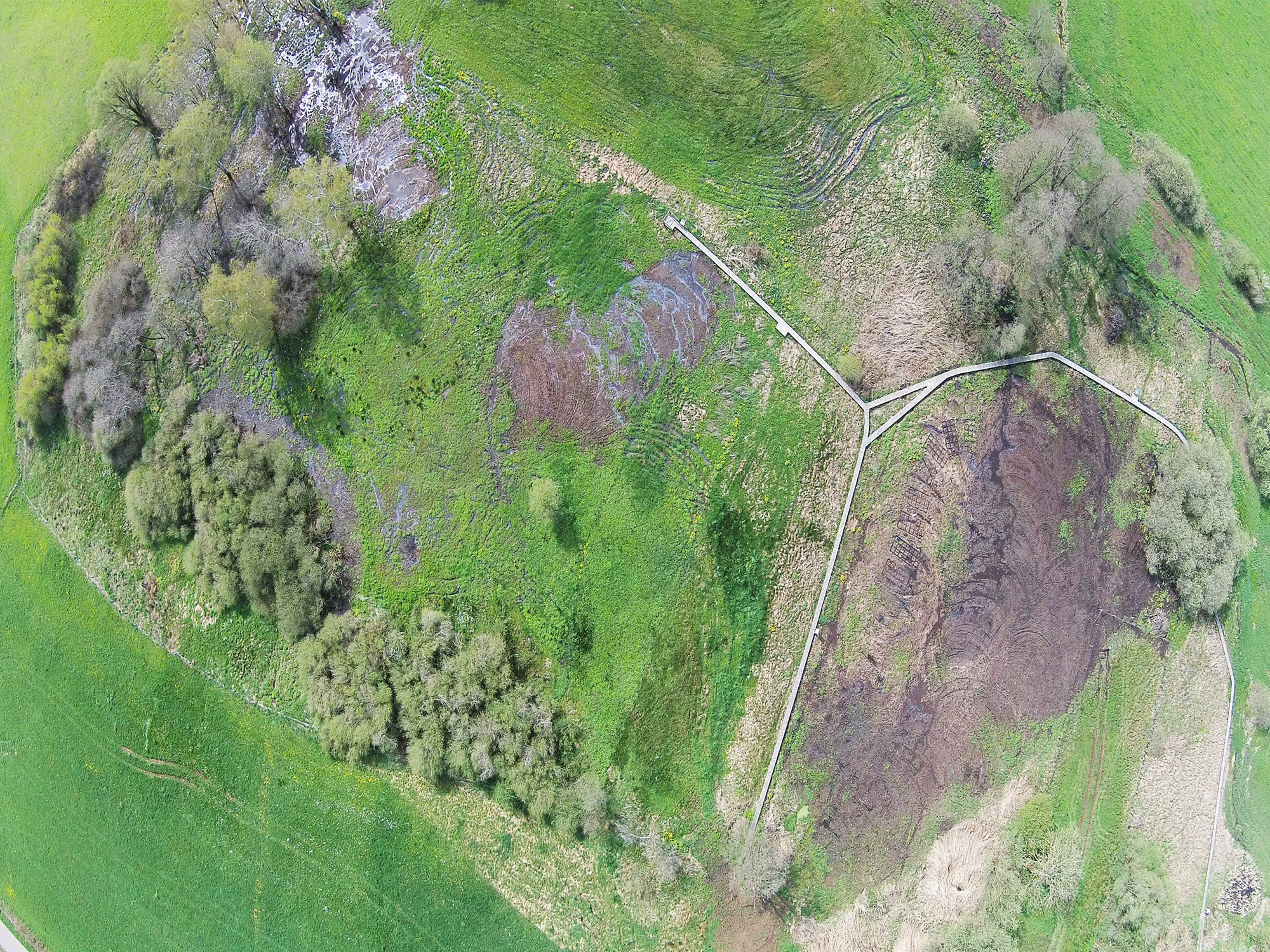
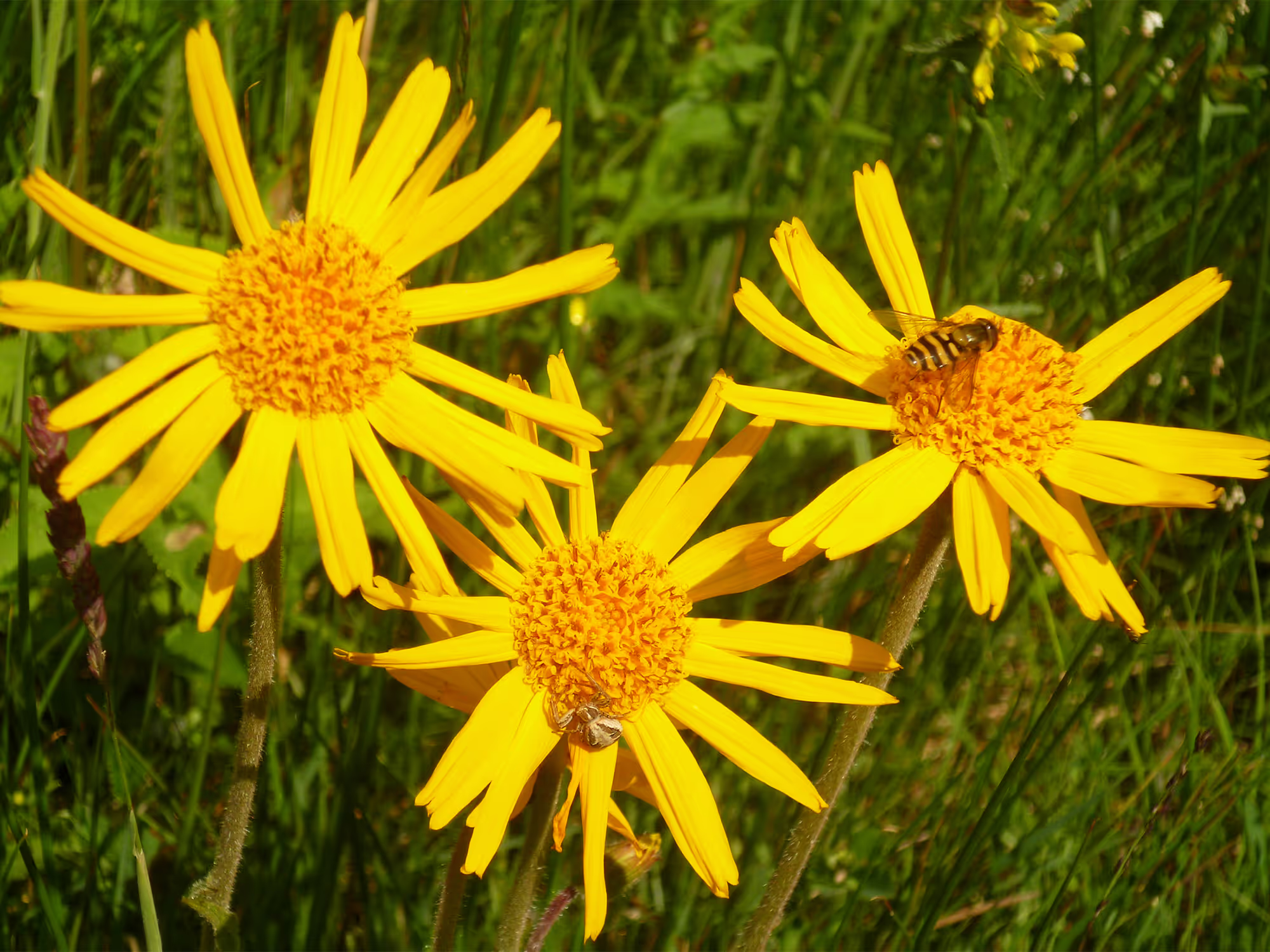
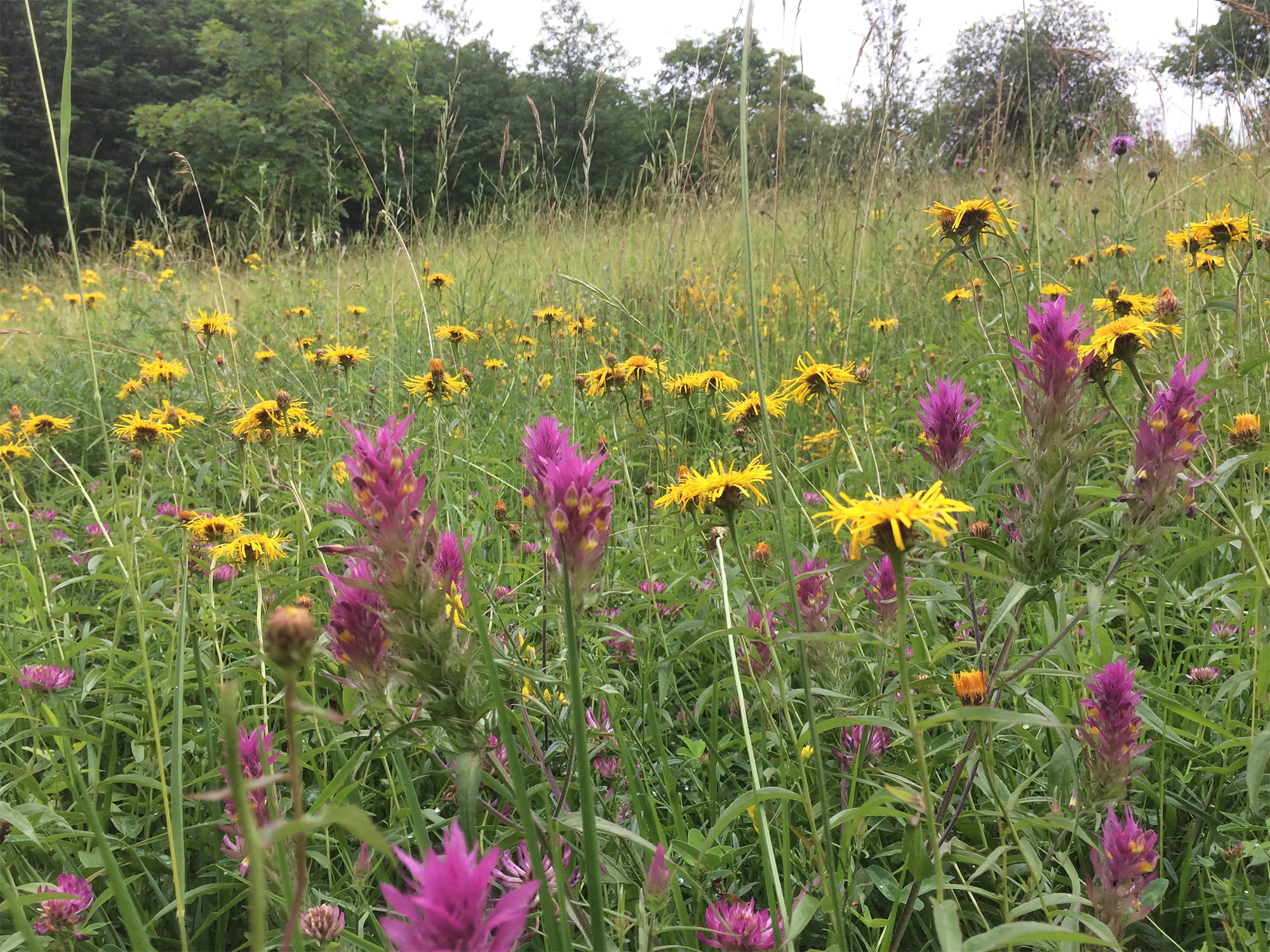
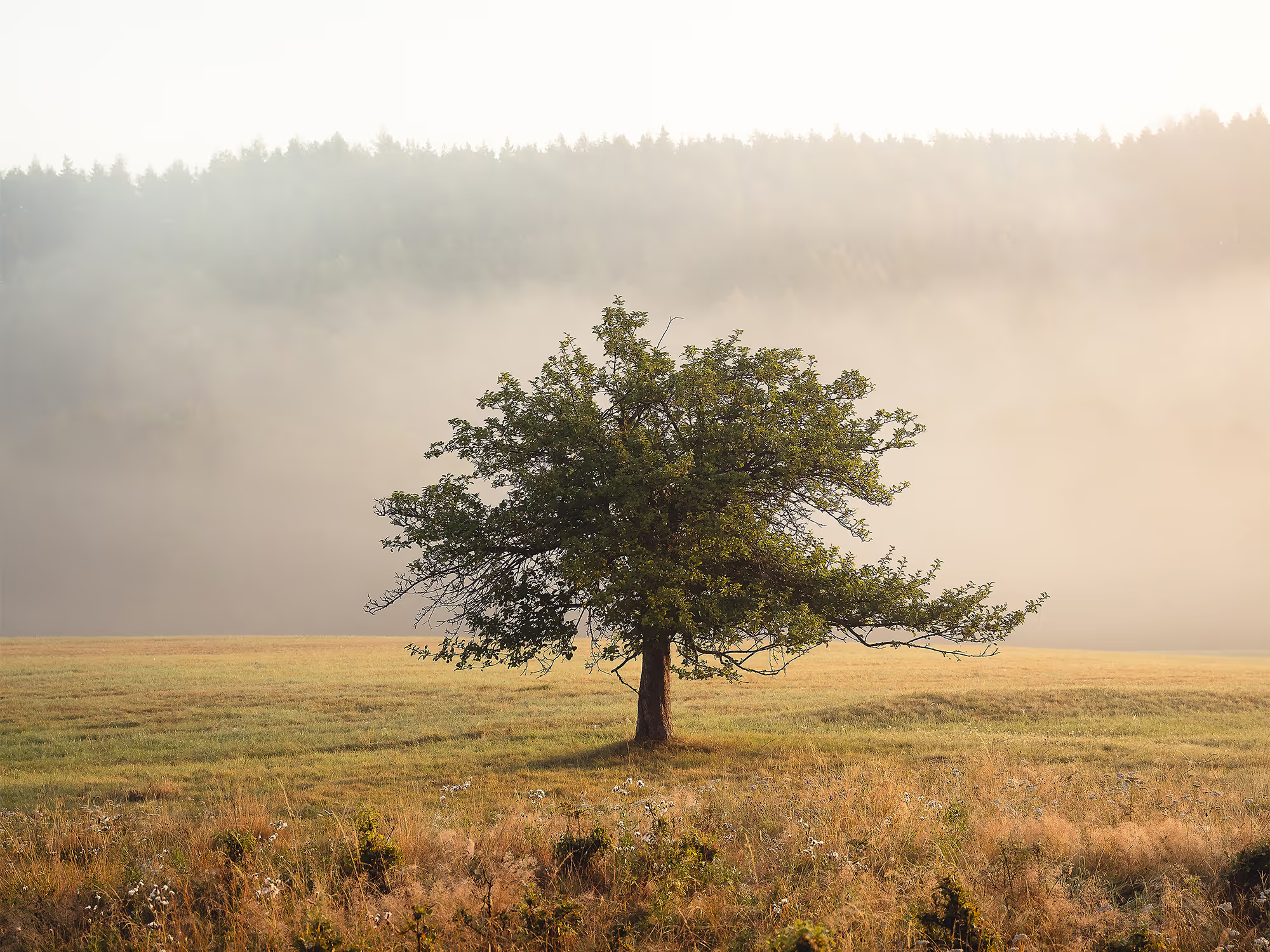
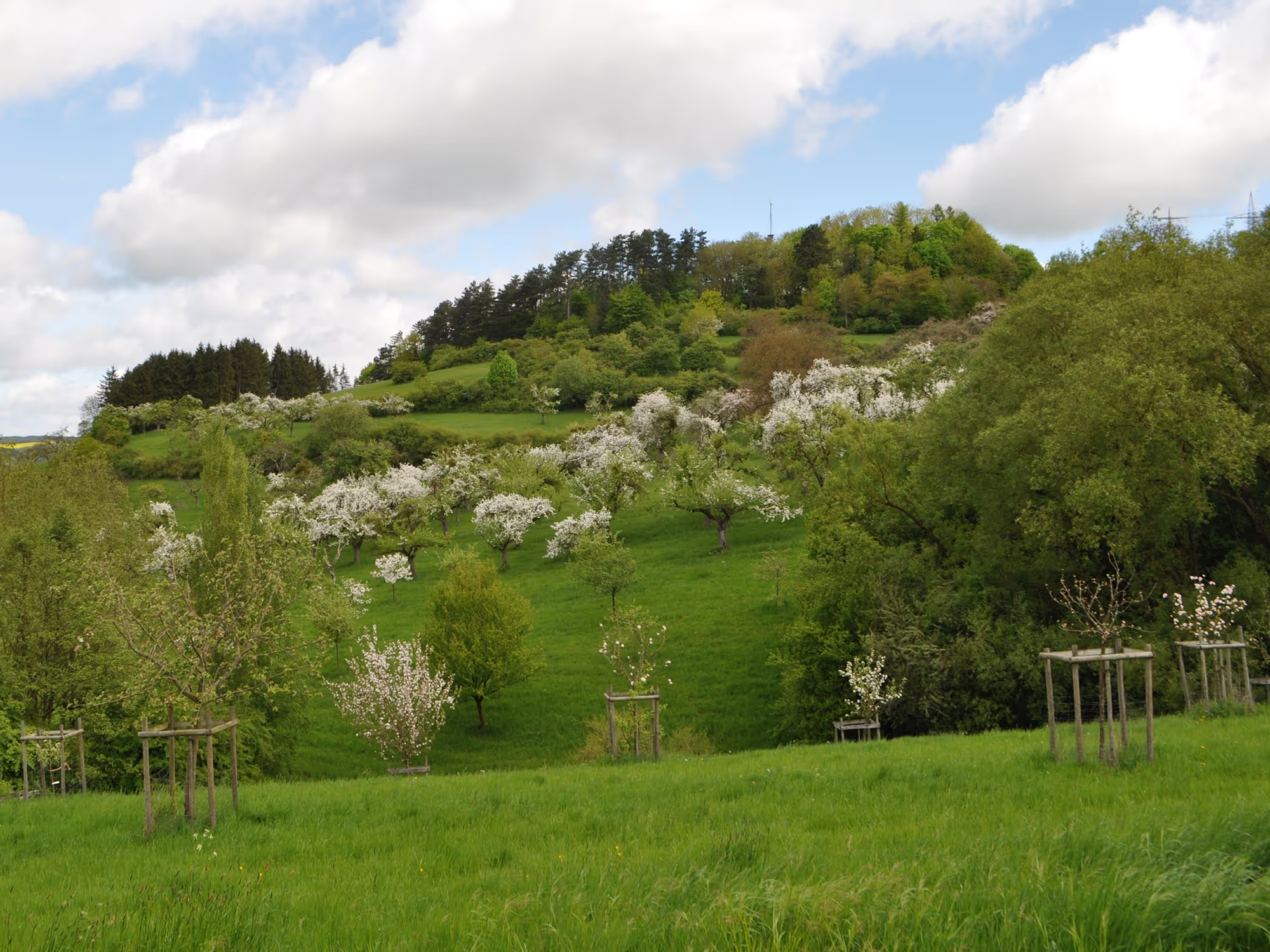
The aim of this new project is to create or improve habitats for openland species. Animals such as the scarce large blue, the marsh fritillary (present in Belgium), the red-backed shrike, and the woodchat shrike, as well as plants like arnica and devil's bit scabious, serve as indicators of intact ecosystems. If these animals and plants can be recorded and their populations maintained or even grow, it means the area is in good condition. However, due to the isolation of these areas, populations cannot intermix and expand, which is why connecting these habitats is of the utmost importance.

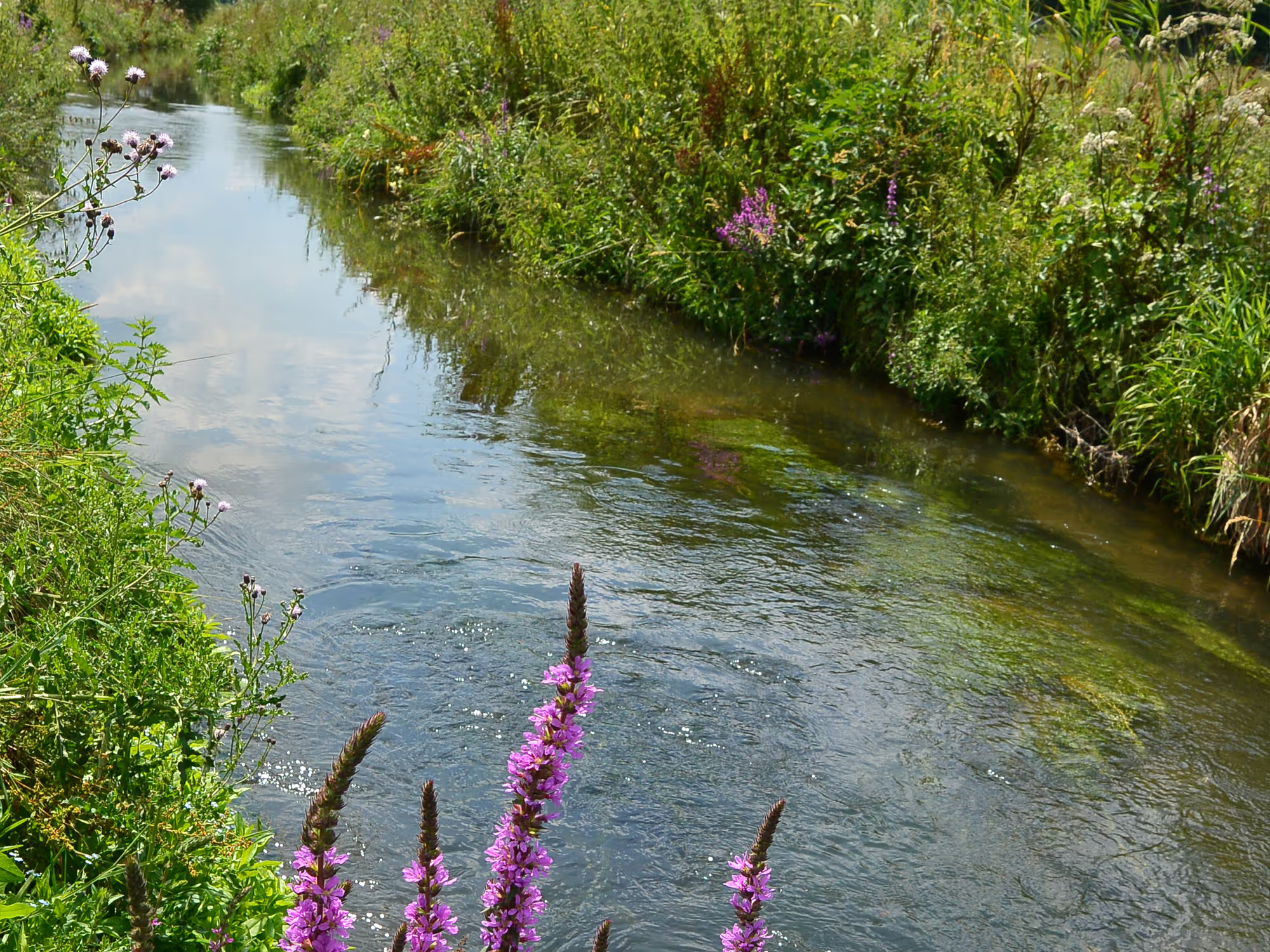
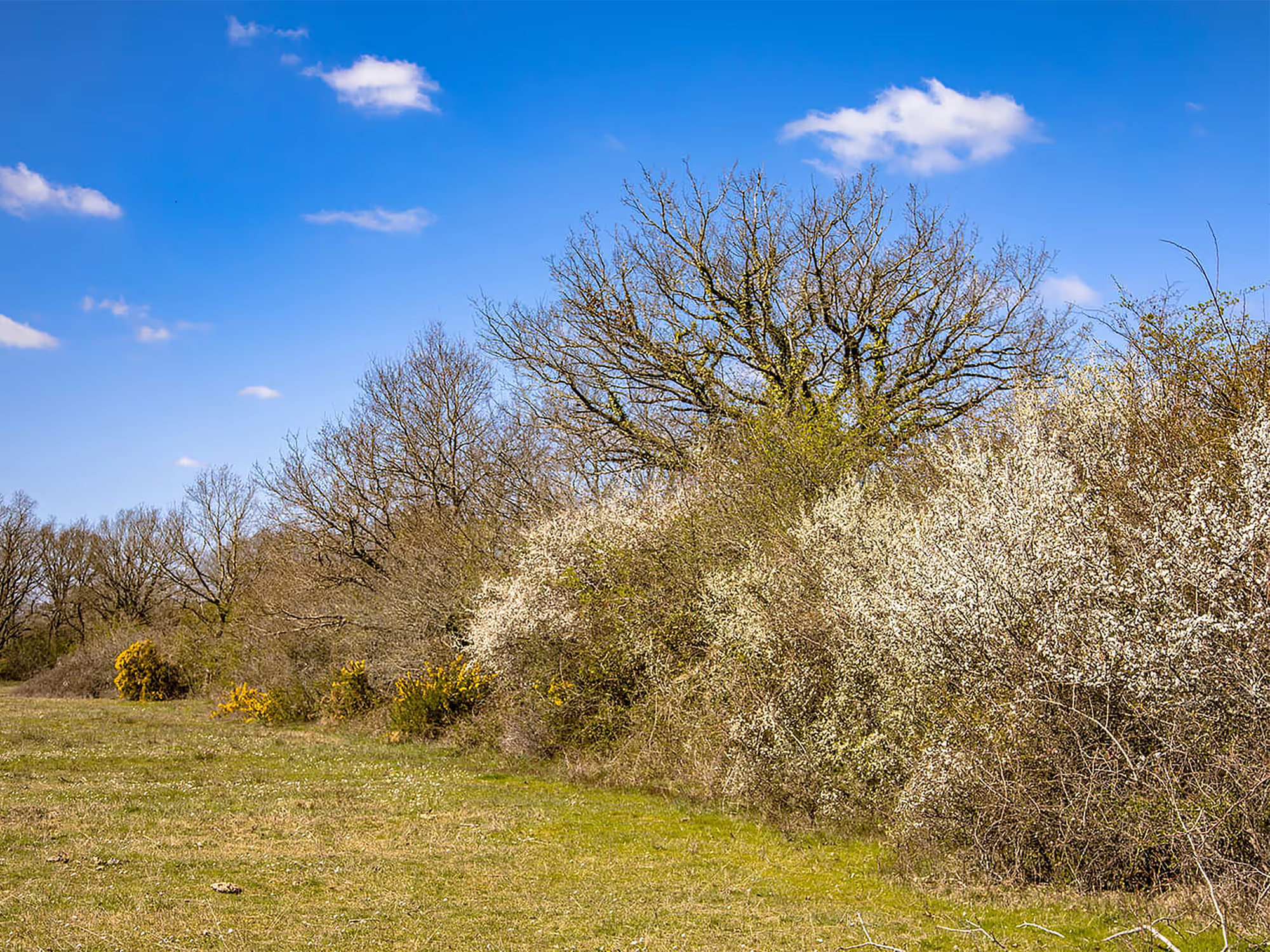
Corridors of hedges, tree rows, or riverbanks are purposely created to link these isolated areas together. Populations need to be able to move and intermix in order to sustain themselves in the future. This networking takes place across a territory stretching from the Belgian Ardennes to the Luxembourg Eislek with a 5 km buffer zone (see map).
67% of the project's cost is covered by an EU funding program; the Ministries of the Environment of Luxembourg and Belgium cover the majority of the remaining budget. LIFE (The Financial Instrument for the Environment) is the only EU funding program that focuses exclusively on environmental protection concerns. Existing since 1992, this program supports measures in the fields of biodiversity, environmental protection, climate protection, and the energy transition.
The "LIFE Nature and Biodiversity" funding area is primarily used for the protection of species and habitats of community importance and biodiversity. The program supports the creation and management of the European network of Natura 2000 protected areas and the implementation of the EU Biodiversity Strategy.